Fiber Optic Drones: The Future of Aerial Connectivity and Surveillance
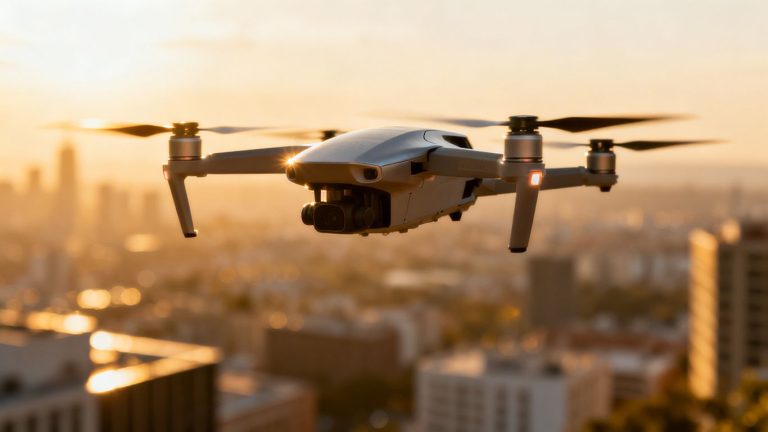
You’ve probably seen drones buzzing around, right? Most of them use radio waves to talk to their pilot. But what if there was a way to make that connection way more secure and reliable, especially when things get a bit chaotic? That’s where the fiber optic drone comes in. Think of it like a super-thin, super-strong thread connecting the drone directly to the person flying it. It’s a pretty neat idea, and it’s changing how we think about aerial tech, especially for tough jobs.
Key Takeaways
- A fiber optic drone uses a physical fiber-optic cable, not radio waves, to send and receive data, offering a super secure link.
- This physical connection makes the drone immune to jamming and electronic interference, which is a big deal in busy signal environments.
- Fiber optic drones are great for missions needing high-quality video and quick control, like watching areas for a long time or hitting specific targets without getting messed with.
- Traditional defenses against drones often don’t work well against fiber optic drones because they don’t rely on radio signals, meaning new ways to spot and stop them are needed.
- While not a replacement for all drones, the fiber optic drone is a specialized tool that’s proving its worth in challenging situations, especially in military and security uses.
Understanding the Fiber Optic Drone
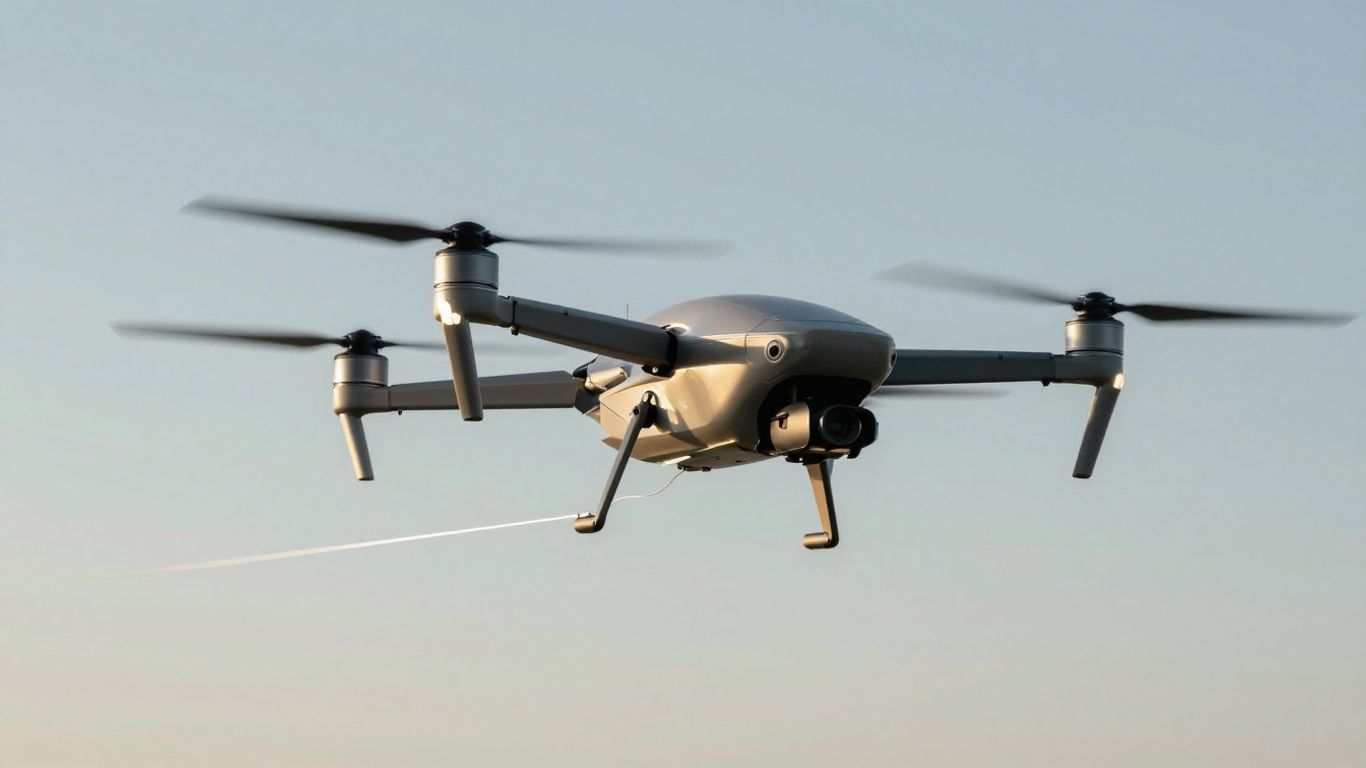
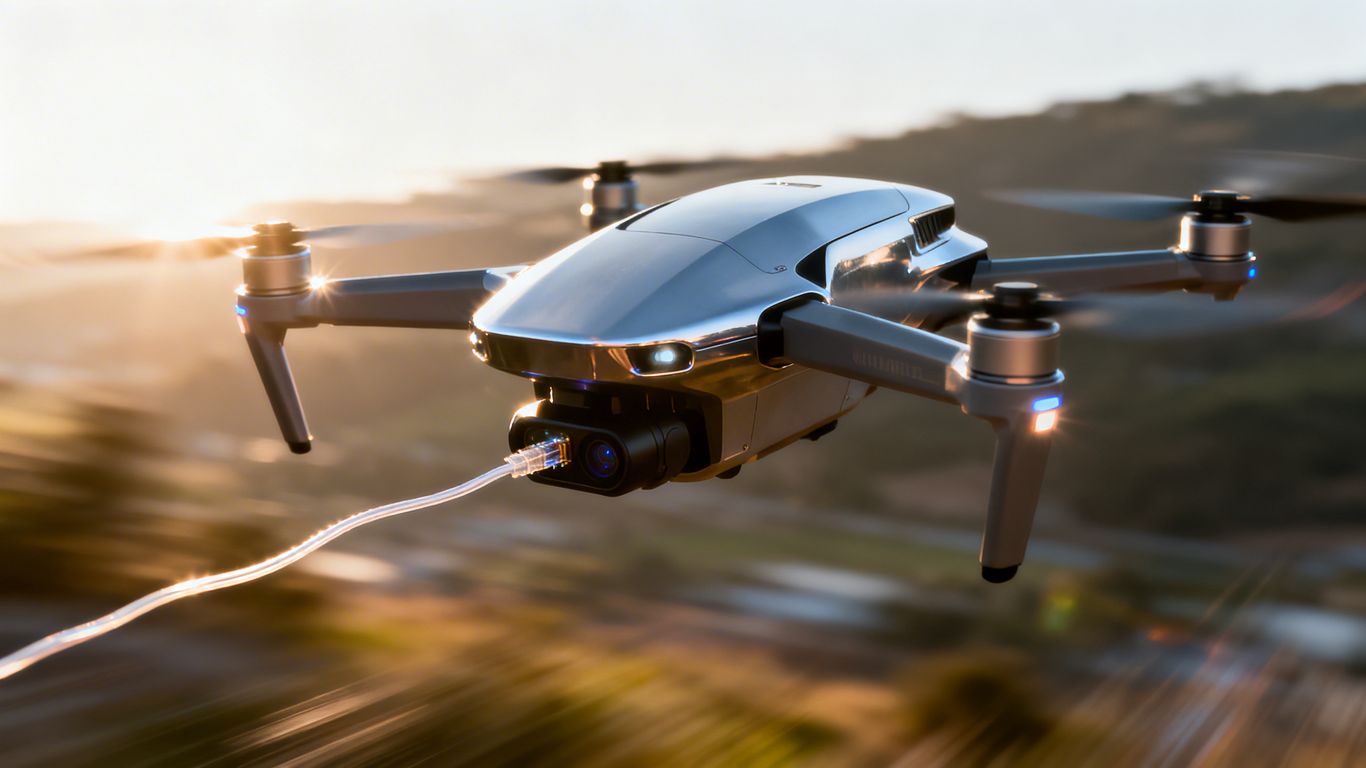
So, what exactly is a fiber optic drone? Think of it like this: instead of relying on invisible radio waves to talk to its operator, this type of drone uses a super-thin, physical thread – an optical fiber cable – to stay connected. This cable spools out from the drone as it flies, sometimes for a few kilometers. It’s not for power, mind you, but purely for communication. Control commands zip from the operator to the drone, and high-definition video and other data stream back, all through this tiny glass thread.
The Core Concept: A Physical Connection
At its heart, a fiber optic drone is an unmanned aerial vehicle (UAV) that maintains a direct, physical link to its ground station. This isn’t some futuristic idea; it’s a practical application of existing technology. The fiber optic cable carries data using light signals, making it incredibly secure and resistant to interference. This is a big deal when you consider how easily radio frequency (RF) signals can be disrupted. It’s like having a direct phone line instead of shouting across a crowded room. This physical connection is what makes these drones so special for certain missions, especially where electronic warfare is a concern.
Evolution from Wire-Guided Systems
This concept might sound familiar if you’ve ever seen older anti-tank missile systems. They used wires to stay connected to the operator, and fiber optic drones are essentially a modern, high-tech version of that. The big challenge was always making that wire light and strong enough to not get in the way or break. Early on, people wondered if a delicate glass fiber could survive being dragged behind a drone flying at speed, especially over rough terrain. But, as it turns out, modern optical fibers are surprisingly tough, and clever spooling mechanisms help manage the cable. We’ve seen evidence from places like Ukraine that these systems actually work well in tough conditions.
Key Components and Mechanisms
So, what makes up one of these systems? You’ve got the drone itself, which often looks like a modified FPV (First-Person View) model. Attached to it is a small canister holding the spool of optical fiber. As the drone flies, the fiber pays out smoothly from this canister. On the ground, the operator has a control station that connects to the other end of the fiber. This setup means you don’t need to worry about radio frequencies or finding a clear signal. It’s a direct, reliable link. For tasks requiring detailed visual data, like inspections, choosing the right drone with a good camera is key, and DJI drones are often noted for their imaging capabilities.
Here’s a quick look at the main parts:
- The Drone: The aerial vehicle carrying the payload and fiber spool.
- Optical Fiber: The thin glass or plastic strand transmitting data via light.
- Spooling Mechanism: An onboard system that manages the payout of the fiber.
- Ground Station: The operator’s control unit and display.
The reliance on a physical tether fundamentally changes how these drones operate, removing the vulnerabilities associated with wireless communication and opening up new possibilities for secure, high-bandwidth data transfer in challenging environments. This makes them a distinct category from standard wireless drones.
When you’re thinking about using drones for a business, selecting the right equipment is important, and understanding these differences helps you pick what you need for tasks like industrial inspections.
Unparalleled Advantages of Fiber Optic Drones
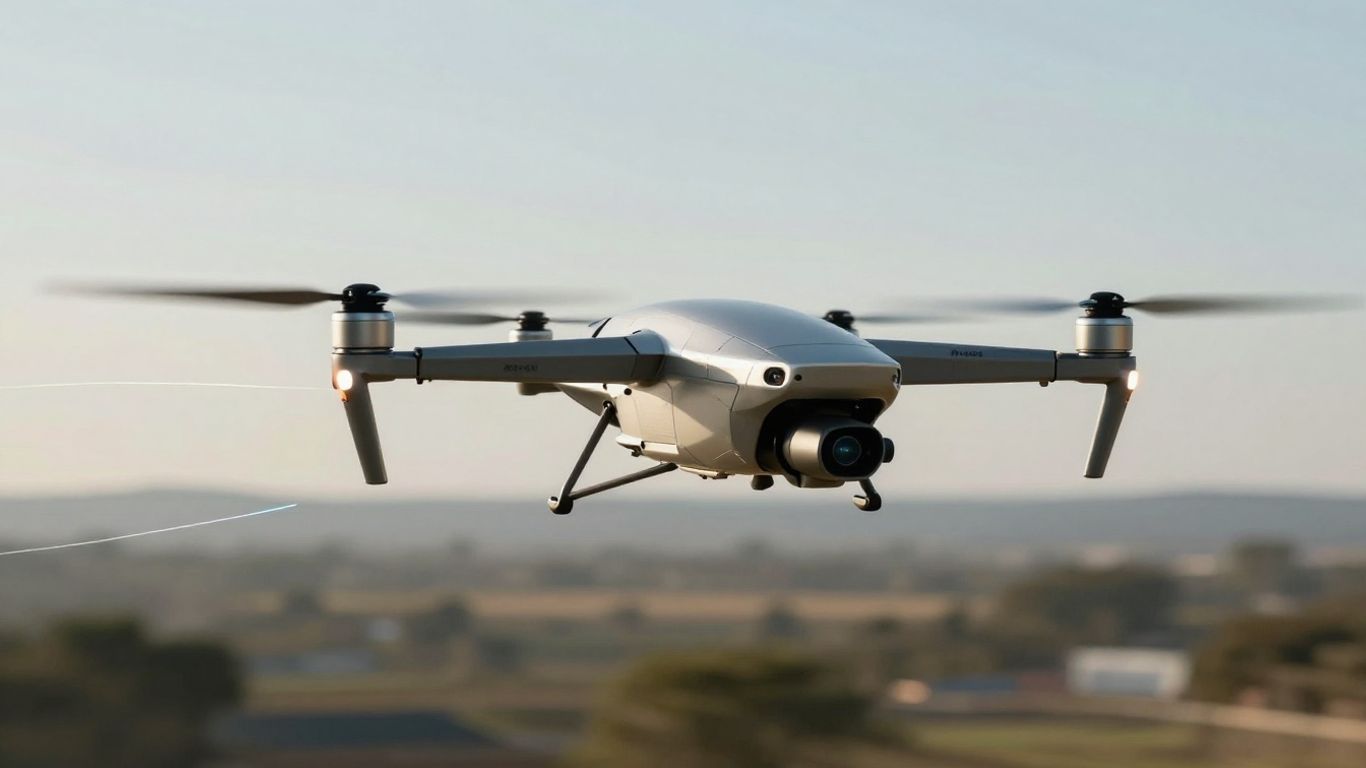
So, why are folks getting so excited about these fiber optic drones? It really boils down to a few key things that make them stand out, especially when you’re talking about tough situations.
Immunity to Electronic Warfare
First off, think about the battlefield. It’s a noisy place, electronically speaking. Radio signals get jammed, spoofed, and generally messed with all the time. That’s where fiber optics shine. Since the connection isn’t traveling through the air as radio waves, it’s completely invisible to electronic warfare tactics. This means your drone keeps its connection, and you keep your eyes and ears, even when everything else is going dark. It’s like having a private, secure line that nobody else can tap into or disrupt. This makes them incredibly useful for operations where you absolutely cannot afford to lose communication, like military drone operations.
Secure and Unjammable Data Links
Building on that, the security aspect is huge. Because the data travels through a physical fiber optic cable, it’s not broadcasting anything that can be intercepted by standard radio frequency (RF) detection systems. You can’t just scan the airwaves and find this signal. To get to the data, someone would have to physically get to the cable itself, which is a much harder problem. This makes them ideal for sensitive missions where keeping your data private and your drone’s location hidden is paramount. It’s a big deal for stealthy operations.
High-Bandwidth, Low-Latency Performance
Now, you might think a physical tether would be slow or clunky, but it’s actually the opposite. Fiber optics are known for carrying massive amounts of data very quickly. This translates to crystal-clear, high-definition video feeds coming back to you in real-time, with almost no delay. You get instant control over the drone, which is super important for precise maneuvers or quick reactions. It’s not just about reliability; it’s about having a responsive, high-quality connection that feels immediate, no matter what’s going on around you. This kind of performance is why some professional drone platforms, like the Freefly Alta X, are built for demanding tasks.
Here’s a quick look at what that means:
- No Jamming: Immune to RF jamming attempts.
- No Interception: Data is physically contained within the fiber.
- Clear Video: High-definition feeds without signal degradation.
- Instant Control: Near-zero latency for responsive piloting.
The physical nature of the fiber optic connection means you’re not fighting with signal bounce or interference. It’s a direct, clean line, which is a game-changer for consistent performance in challenging environments.
Tactical Applications and Battlefield Impact
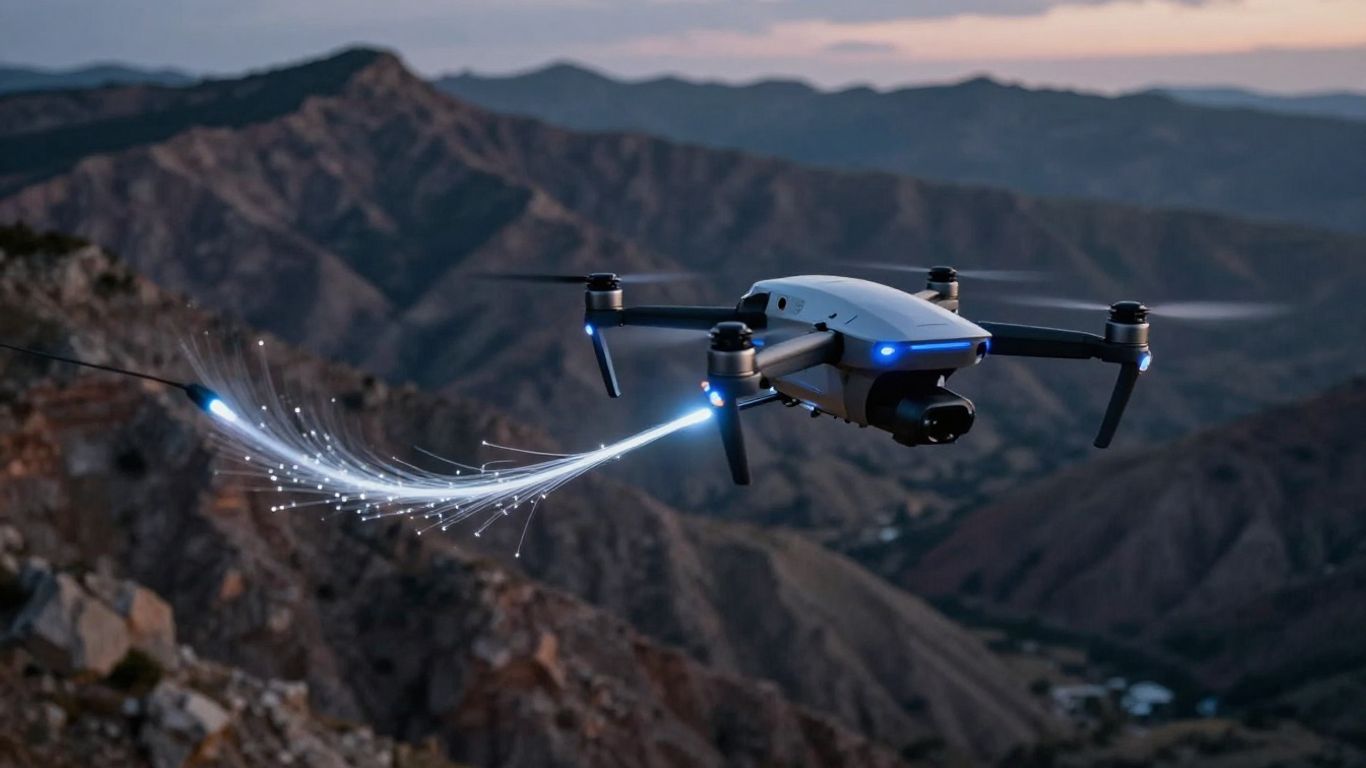
You might be wondering how these fiber optic drones actually shake out on the battlefield. Well, they’re not just a cool gadget; they’re proving their worth in some pretty specific, high-stakes situations. Think about places where the airwaves are so jammed with electronic signals that regular drones just can’t get a signal through. That’s where these tethered systems shine.
Precision Strikes in Jamming-Dense Zones
Imagine a scenario where the enemy has set up a serious electronic warfare (EW) bubble. Trying to send a regular drone in there is like shouting into a hurricane – it’s just not going to work. But a fiber optic drone? It doesn’t care about the jamming. It follows its physical line, making it perfect for taking out those very EW systems that are causing the problem. It’s like cutting the wires to the enemy’s communication jammer. This opens up the airspace for other friendly forces to move in. It’s a game-changer for disrupting enemy defenses.
Persistent, Covert Intelligence Gathering
Because they’re not relying on radio waves that can be easily detected or traced, these drones are incredibly stealthy. You can use them for intelligence, surveillance, and reconnaissance (ISR) missions right near the front lines. They can just hang out, quietly watching an area, or even land and wait without giving away their position or the control station’s location. This means you get continuous, clear video feeds without tipping anyone off. It’s a much more reliable way to gather intel compared to systems that are easily jammed.
Operations in Complex Physical Terrain
We’re talking about places like dense forests, deep canyons, or even inside buildings where radio signals get bounced around and lost. Traditional drones struggle here. But a fiber optic drone, with its physical connection, can snake its way through these environments. It can scout ahead for infantry, check out tunnels, or even deliver small payloads from unexpected angles. This kind of operation is something you just can’t do with a standard wireless RF drone.
Secured Logistics and Resupply Missions
Getting critical supplies, like medical kits or ammo, to isolated units can be tough, especially in areas with heavy jamming or difficult terrain. A fiber optic drone offers a secure and reliable way to do this. The tethered connection minimizes the risk of the supply route being intercepted or detected. It’s a much safer bet than trying to fly a conventional drone through contested airspace. The reliability of the connection is key here, making sure that vital supplies reach their destination.
The battlefield is changing, and the ability to maintain a secure, high-bandwidth connection is becoming just as important as the drone itself. Fiber optic drones are stepping into this role, proving their value where other systems fail.
The Counter-Drone Challenge and Evolving Defenses
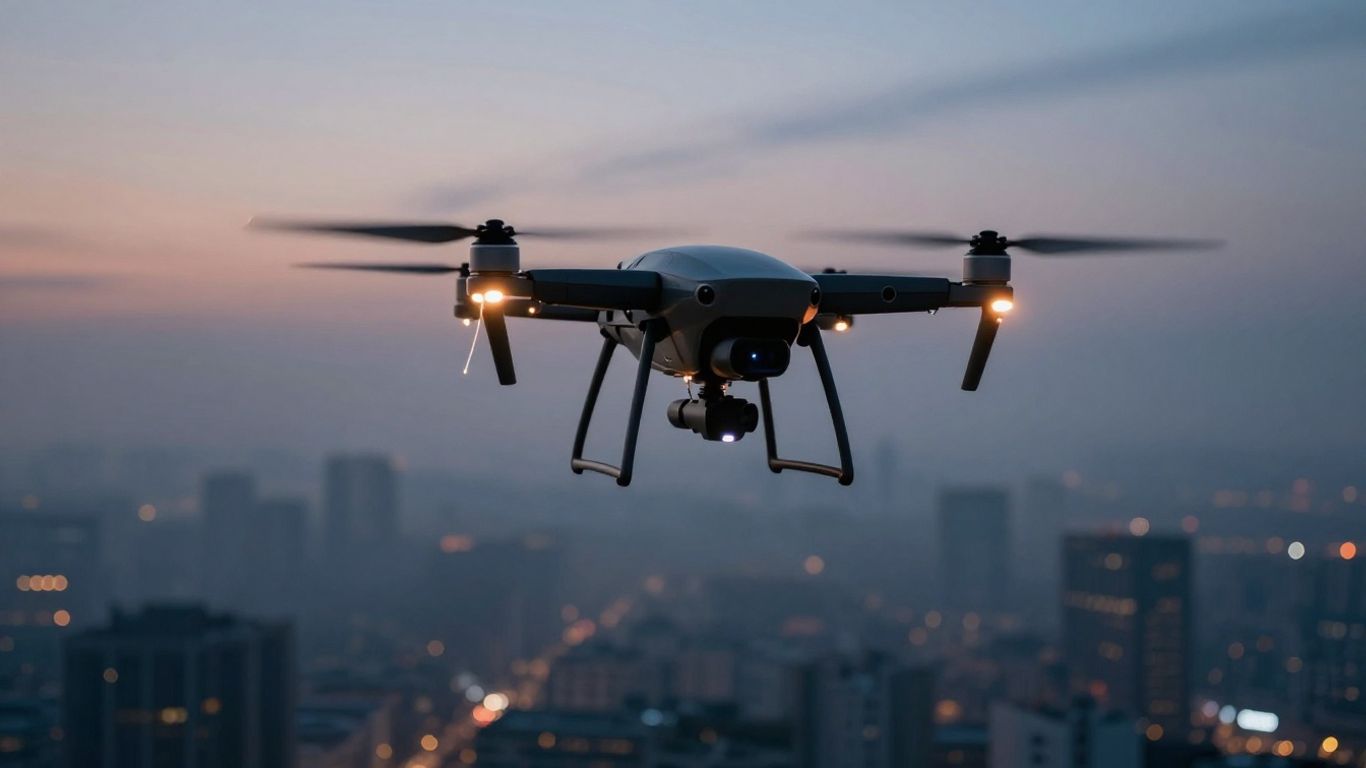
Limitations of RF-Centric C-UAS
So, you’ve got these new fiber optic drones zipping around, and suddenly, the old ways of dealing with drones aren’t cutting it anymore. Most counter-drone systems, or C-UAS, are built around spotting radio frequency (RF) signals. They listen for the drone’s communication, try to jam it, or maybe even spoof it. But guess what? Fiber optic drones ditch the RF entirely. They’re connected by a physical wire, a thin glass thread, which means all those RF detectors and jammers are basically useless. It’s like trying to stop a car by jamming radio waves – it just doesn’t work. This leaves you vulnerable, especially in areas where traditional drones are already being shut down by jamming. You need a whole new playbook.
New Detection Paradigms: Acoustic and Radar
Since RF is out, you have to think differently about how to spot these tethered threats. One way is to listen. These drones, especially the spool-fed types, often carry a bit more weight, making their propellers work harder and thus, they’re louder. So, acoustic sensors can pick up their distinct sound. It’s not silent, just different. Then there’s radar. While RF jammers can’t find them, radar can still see the physical object moving through the air. Newer, smaller radar systems are getting pretty good at distinguishing drones from, say, birds, by looking at their movement patterns. And don’t forget about visual and thermal. Sometimes, that fiber optic cable itself can be seen, especially if it catches the sun or shows up on infrared cameras, giving away the drone’s path. It’s all about finding new ways to see and hear what’s out there, moving beyond just listening for radio chatter. You can find some interesting low-cost interceptor systems that are being developed for drone defense.
Hard-Kill Mitigation Strategies
When spotting them is one thing, but stopping them is another. If jamming isn’t an option, you’re looking at ‘hard-kill’ methods – basically, physically destroying the drone or its tether. This could mean using directed-energy weapons like lasers to burn through the drone or the fiber. Projectile-based systems, like specialized cannons or even interceptor drones designed to physically grab or collide with the target, are also on the table. And yes, in some situations, good old-fashioned small arms fire might still be effective if the drone is close enough. The goal is to physically neutralize the threat. The Air Force is actively looking into these kinds of solutions to counter UAS.
The challenge with fiber optic drones is that they bypass the primary detection and disruption methods used against traditional drones. This forces a shift towards physical detection and kinetic neutralization, requiring new sensor technologies and engagement strategies. It’s a constant game of cat and mouse, where innovation on one side demands adaptation on the other.
Here’s a quick look at how you might approach countering them:
- Predict: Try to figure out where they’ll likely launch from. Watch for signs of drone operators setting up shop in likely spots.
- Detect: Use sound to listen for them, and radar to see their movement. Keep an eye out for the cable itself, especially in infrared.
- Mitigate: If you can’t jam it, you might have to shoot it down, use lasers, or try to physically entangle it. Sometimes, just getting it caught on something works.
- Protect: If you’re the target, dig in. Use cover, camouflage, and nets to hide your position. Make yourself a harder target to find and hit.
Future Trajectories and Technological Advancements
So, where does this whole fiber optic drone thing go from here? It’s not like the tech is going to stay put. We’re already seeing some pretty interesting ideas bubbling up that could make these drones even more useful, or maybe even a bit scary, depending on how you look at it.
Hybrid Systems with Backup RF Links
One of the big ideas is to not put all your eggs in one basket. Imagine a drone that normally flies using radio signals, like most of them do. But, if it detects that the airwaves are being jammed or messed with, it can instantly switch over to its fiber optic tether. This gives you the best of both worlds: the freedom of wireless when things are clear, and the rock-solid, secure connection of the fiber when you really need it. It’s like having a backup parachute for your data link. The Marines have been checking out these kinds of fiber optic FPV drones to see how well they work in tough spots, keeping that video feed steady [fedb].
Advanced Materials and Spooling Mechanisms
That thin glass fiber is pretty amazing, but people are always looking to improve things. We’re talking about fibers that are stronger, lighter, and maybe even biodegradable someday. And the spools that hold the fiber? They’re getting smarter too. Think about systems that can automatically adjust how much fiber is out, managing tension and reducing drag so the drone flies smoother. It’s all about making the physical connection more robust and less of a hassle.
Integration with Artificial Intelligence
AI is showing up everywhere, and drones are no exception. For fiber optic drones, AI could help pilots out a lot. It might be able to figure out the best flight paths to avoid snagging the fiber on things, or even help the drone navigate on its own while staying within the limits of its tether. This could make flying these systems much easier, especially in cluttered environments.
Mothership Concepts for Extended Reach
Another cool concept is the ‘mothership’ idea. Picture a larger drone, or even a ground-based system, that acts as a central hub. It could launch and manage several smaller, expendable fiber optic drones. This setup would let those smaller drones go further and stay in the air longer, acting as relays or carrying out specific tasks without needing their own massive fiber spools. It’s a way to extend the operational range and flexibility quite a bit. This kind of drone technology is already becoming a significant business opportunity in various fields [9f40].
The evolution of fiber optic drones isn’t just about making them better; it’s about rethinking how we use aerial systems in environments where traditional wireless communication just doesn’t cut it anymore. These advancements point towards a future where these tethered systems are more adaptable, more autonomous, and capable of operating in ways we’re only just beginning to imagine.
It’s a bit like how different drone manufacturers, like DJI and Autel, are constantly tweaking their designs for better flight times and range [45d3]. The drive to improve is constant across the board.
Fiber Optic Drone Technology in Practice
The Optical Fiber Itself: Materials and Durability
So, you’ve got this drone, right? And it’s got this super thin cable trailing behind it. What’s it made of? Well, it’s not just any old string. We’re talking about optical fiber, usually made of glass or plastic. It’s incredibly light, which is a big deal when you’re trying to keep a drone airborne. The real trick is making sure this delicate fiber can handle the stress of being spooled out, whipped around by wind, and generally dragged through the air. Modern fibers are surprisingly tough, with tensile strength that might surprise you. Think of it like a super-strong fishing line, but instead of catching fish, it’s carrying data using light. It’s pretty wild when you consider how fragile glass can be, yet here it is, surviving flights in some pretty rough conditions. The lessons from places like Ukraine show that this technology is proving itself on the front lines, turning what some thought was a fragile idea into a reliable lifeline for data.
Technical Setup: Onboard Canisters and Ground Stations
When you see a fiber optic drone up close, the first thing you’ll probably notice is the canister on the drone itself. This isn’t just a random box; it’s a precisely engineered spool holding the optical fiber. As the drone flies, the fiber pays out smoothly from this canister. The way it’s wound inside is key – it’s under controlled tension, so it only starts unspooling when the drone’s movement creates enough pull. This prevents it from just unraveling all at once. On the ground, this fiber connects to your control station. No antennas needed for the drone’s main communication link, which is a huge advantage. This setup means you have a direct, physical connection, much like plugging a cable into your computer, but for a flying machine. It’s a stark contrast to the wireless systems you might be used to, and it’s this physical link that gives it its unique benefits. For managing fleets and complex operations, specialized drone mapping software can be a game-changer.
Distinguishing from Wireless RF Drones
Okay, so how do you tell a fiber optic drone apart from your typical wireless one? It’s pretty straightforward once you know what to look for. The most obvious sign is that trailing fiber optic cable. Wireless drones rely on radio waves, so they have antennas and transmitters, but no physical tether. Fiber optic drones, on the other hand, have that distinctive cable spooling out behind them. This physical connection is the core difference. It means no radio frequency interference, no jamming issues, and a super secure data link. While wireless drones are great for general use and quick deployments, the fiber optic setup is all about a dedicated, high-bandwidth, and secure connection. It’s a trade-off: you gain security and immunity to jamming, but you have the physical limitation of the cable length and the need to manage it. It’s a bit like the difference between a Wi-Fi connection and an Ethernet cable – one offers freedom, the other offers stability and speed. You might see systems like these used for specific tasks, such as targeting vehicles on supply routes where a secure, unjammable link is paramount.
The reliance on a physical fiber optic cable fundamentally changes the operational profile of a drone. While it introduces a physical constraint, it simultaneously removes the vulnerabilities associated with wireless communication, making it a specialized tool for environments where electronic warfare is a significant concern. This direct link provides a level of control and data integrity that radio frequency systems simply cannot match under adversarial conditions.
Fiber optic drone technology is changing how we do things. Imagine drones sending super-fast internet signals from the sky! This amazing tech is being used in real-world situations right now. Want to learn more about how this cool technology works and see examples? Visit our website today to explore the future of connectivity!
So, What’s Next?
Alright, so you’ve seen how these fiber optic drones work and why they’re becoming a big deal, especially when things get a bit hairy electronically. It’s pretty wild to think that a thin glass thread can be so tough and useful, right? While they might not replace every drone out there – you know, the ones zipping around wirelessly – they’ve definitely found their place for jobs where a solid, unjammable connection is a must. You’ll probably see them pop up more in tough spots, whether it’s for watching things closely or getting into places where radio signals just can’t cut it. Keep an eye out, because this tech is still growing, and it’s going to be interesting to see where it goes next.
Frequently Asked Questions
What exactly is a fiber optic drone?
Think of a fiber optic drone as a special kind of flying robot, like a remote-controlled plane or a small camera drone you might have seen. The big difference is how it talks to the person controlling it. Instead of using invisible radio waves, it’s connected by a super thin, strong string made of glass, called an optical fiber. This string carries all the instructions to the drone and brings back video and information to the operator.
Why would you use a fiber optic drone instead of a regular wireless one?
Regular drones use radio waves, which can be easily blocked or messed with by other signals, kind of like when your radio station gets fuzzy. Fiber optic drones are different because their glass string connection can’t be jammed or hacked by radio waves. This makes them super reliable for sending and receiving information, even in places where other communication methods might fail.
Are these fiber optic cables strong enough not to break easily?
That’s a great question! Early on, people worried the glass string would snap easily. But, the technology has gotten much better. The fibers are made really strong, and the drones have special spools that let out the string smoothly as they fly. So far, they’ve proven they can handle tough conditions, like flying through trees or windy areas, without breaking.
What kind of jobs are these drones good for?
They’re really useful for important tasks where you absolutely need a reliable connection. Imagine needing to see what’s happening in a dangerous area where enemy signals might be jamming everything. These drones can fly in, send back clear video, and take commands without being interrupted. They’re also good for watching areas for a long time or sending small, important packages.
Can’t enemies just find the drone by looking at the fiber optic cable?
That’s a possible challenge. While the drone itself might be hard to detect, the thin cable could sometimes be seen, especially if the sun glints off it. If you see multiple cables coming from one spot, it might give away the operator’s location. So, while the connection is secure, being careful about where the cable is visible is still important.
What’s next for this technology?
Scientists are working on making these drones even better. They might have backup radio connections that only turn on if the fiber optic line has a problem. They’re also looking at using even tougher and lighter materials for the cables and developing smarter ways for the drones to manage the cable while flying. Some ideas even involve bigger drones carrying smaller fiber optic drones!