7 Best Drones for Photography in 2026
Looking to capture some amazing aerial shots? You’ve come to the right place. Finding the best drone for photography in 2026 can feel a bit overwhelming with all the new tech out there. Whether you’re just starting out or you’re a seasoned pro, we’ve checked out some of the latest models to help you pick the perfect flying camera. Let’s get your aerial photography game to the next level.
Key Takeaways
- The DJI Mavic 4 Pro is a top choice for professional photographers needing high-end features and excellent image quality.
- For a balance of portability and strong camera performance, the DJI Air 3 offers dual lenses and good flight times.
- The DJI Mini 4 Pro is a great all-around option, especially for its compact size and user-friendly features, making it a popular pick for many.
- If budget is a concern but you still want good results, the DJI Flip provides impressive imaging capabilities for its price point.
- When selecting the best drone for photography, consider camera specs like sensor size and resolution, along with flight performance and battery life.
1. DJI Mavic 4 Pro
Alright, let’s talk about the big gun: the DJI Mavic 4 Pro. If you’re serious about getting professional-level photos and videos from your drone, this is pretty much the machine you’ve been waiting for. It’s a significant upgrade from its predecessor, and honestly, it feels like DJI really listened to what photographers and videographers wanted.
The camera system is where this drone truly shines. You’re getting a triple-camera setup. There’s a main 100MP Hasselblad wide-angle lens that can shoot 6K video at 60 frames per second, which is just wild. Then you have a 48MP medium telephoto lens, perfect for those flattering portrait shots, and a 50MP telephoto lens for getting way up close to distant subjects. All of them can handle 4K slow-motion footage, too. Plus, the new 360° Infinity Gimbal is a neat trick, improving airflow and letting you shoot true vertical video without any fuss.
Here’s a quick look at what makes it stand out:
- Flight Time: You get a massive 51 minutes of flight time on a single battery. That’s enough to get a lot done without constantly worrying about landing.
- Video Quality: 6K/60fps HDR video is the headline, but it also supports 10-bit D-Log M color, RAW frame stacking, and dual native ISO fusion for serious post-production work.
- Obstacle Sensing: It’s equipped with six low-light fisheye sensors and front-facing LiDAR, giving you omnidirectional obstacle avoidance even in tricky lighting.
While the price tag is definitely on the higher side, especially for the full creator combo which includes everything you need to get started, the Mavic 4 Pro is built for professionals. If your goal is the absolute best image quality and you need that detailed footage for big projects, this drone justifies the cost. It’s not just a toy; it’s a serious tool for your creative arsenal.
Keep in mind, this drone is a bit bigger and heavier than some others. In really tight, wooded areas, it might be a little more cautious than you’d like, sometimes keeping more distance than you’d prefer for close-up shots. For those situations, you might find something like the Air 3S a bit more nimble. But for open spaces and when image quality is the absolute top priority, the Mavic 4 Pro is your best bet.
2. DJI Air 3S
Alright, let’s talk about the DJI Air 3S. If you’re looking for a drone that really steps up your photography game without completely emptying your wallet, this one’s a solid contender. It’s kind of like the sweet spot between the super portable Mini series and the high-end professional models. You get a lot of bang for your buck here, especially with its camera setup.
The big deal with the Air 3S is its dual-camera system. You’ve got a wide-angle lens and a medium telephoto lens, which gives you a lot more flexibility when you’re out shooting. This means you can capture expansive landscapes and then zoom in for tighter shots without having to physically move the drone. It’s a real game-changer for getting creative with your compositions. Plus, it boasts some pretty impressive flight times, often hitting around 45 minutes, so you can spend more time in the air capturing footage and less time swapping batteries. You can find out more about its capabilities on the DJI Air 3 page.
Here’s a quick rundown of what makes it stand out:
- Dual Primary Cameras: A wide-angle and a 3x telephoto lens for versatile shooting.
- Advanced Obstacle Sensing: It uses LiDAR and multiple sensors to help you avoid crashes, even in tricky lighting.
- O4 HD Video Transmission: This system gives you a stable, clear video feed back to your controller, even from a good distance.
- Internal Storage: You get more space built-in compared to some other models, which is handy for longer shoots.
When you’re out flying, especially in areas with lots of trees or buildings, the obstacle avoidance system is a lifesaver. It uses a bunch of sensors to see in all directions, helping you avoid those unexpected bumps. It’s not quite as nimble in super tight spots as some smaller drones, but for general flying and getting those epic shots, it’s really dependable. The DJI Air 3S offers a solid and confident flying experience, making it ready for professional use.
While it’s not the absolute cheapest drone out there, the DJI Air 3S hits a really good balance. You’re getting professional-level features like the dual cameras and advanced safety tech, but at a price that’s more accessible than the top-tier professional models. It’s a smart choice if you’re serious about drone photography and want a reliable tool that can grow with your skills.
3. DJI Mini 4 Pro
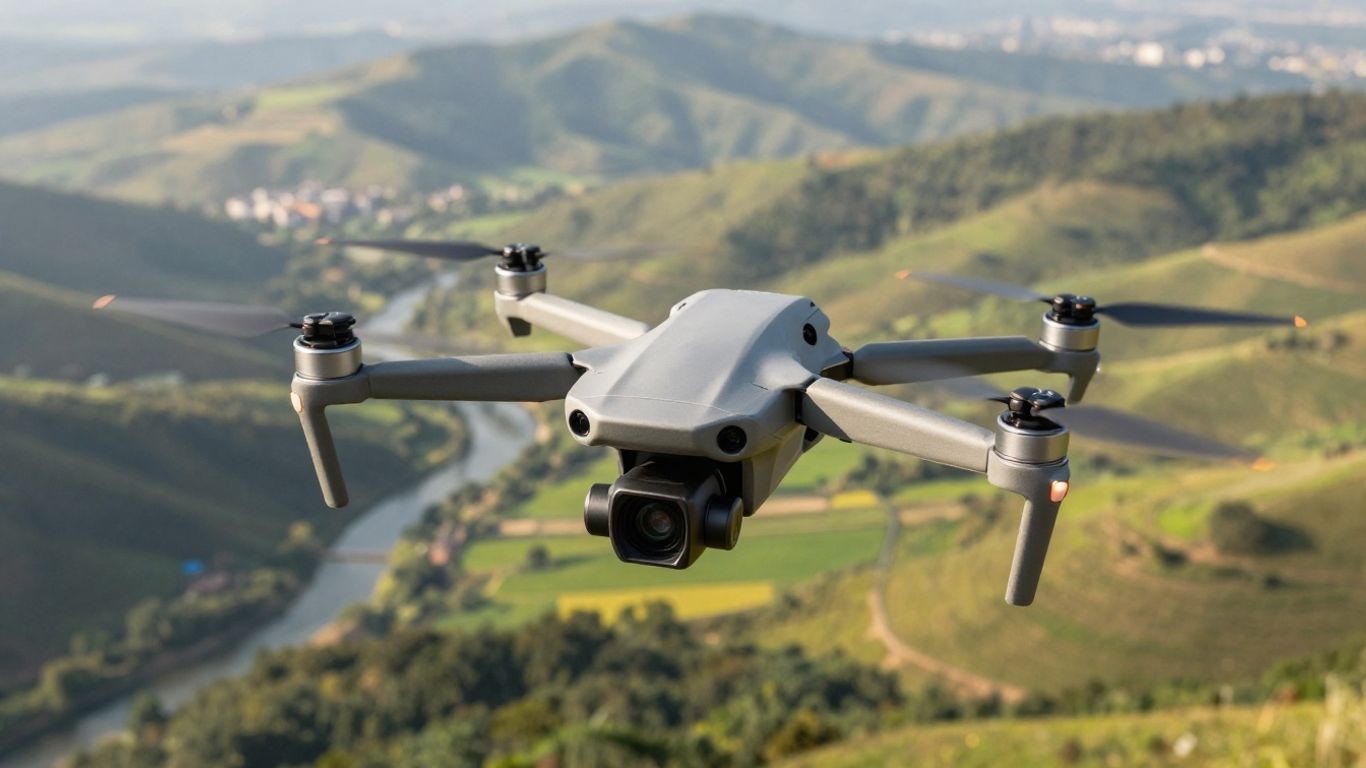
If you’re looking for a drone that just works, without a lot of fuss, the DJI Mini 4 Pro is probably your best bet. It’s the drone I recommend for most people, honestly. It manages to pack a lot of really good features into a package that’s super easy to handle. You get great picture quality, it’s small and light, and it’s just not stressful to fly.
Before this one came out, the Mini 3 Pro was the go-to, but DJI really stepped things up with the 4 Pro. It feels like they took all the best bits from their other drones and put them into this smaller frame. It’s not going to beat the bigger, more expensive DJI drones in every single category, but for what you pay and how easy it is to use, it’s hard to beat.
One of the coolest things is that it has obstacle sensing in every direction. That means it’s pretty smart about not bumping into things, which is a big relief when you’re flying. Plus, the video transmission system, called O4, is really good. You can get a signal pretty far out, up to about 12.4 miles (20 km), which is pretty impressive for a drone this size.
And here’s a big plus: it weighs just 249 grams. This is important because in the US, if your drone is under that weight, you don’t have to register it for recreational flying. That saves you a bunch of hassle. It’s a really smart choice if you want good aerial photos and videos without a ton of red tape.
Key Specs:
- Weight: 249 grams
- Flight Time: Up to 34 minutes
- Transmission: O4 Video Transmission (up to 12.4 miles / 20 km)
- Obstacle Sensing: Omnidirectional
This drone really hits a sweet spot. It’s got the camera chops you need for decent shots, it’s incredibly portable, and it makes flying feel safe and simple. You get a lot of bang for your buck here.
4. DJI Mini 5 Pro
Alright, let’s talk about the DJI Mini 5 Pro. If you’re looking for a drone that packs a serious punch without breaking the bank or your back, this might be your next favorite gadget. It’s like the sweet spot between those super-tiny beginner drones and the big, professional rigs. You get a really good camera system here, capable of capturing some seriously nice photos and video. It’s a fantastic option for anyone wanting to step up their aerial photography game.
One of the things that makes the Mini 5 Pro stand out is its sensor. It’s a 1-inch CMOS sensor, which is pretty impressive for a drone this size. This means you’re getting detailed shots, even when you’re pushing the limits. Plus, it handles low light situations better than you might expect, which is always a plus when you’re out shooting.
Here’s a quick look at some of its key features:
- Camera: 1-inch CMOS sensor, 50MP stills, 4K/60p video
- Shooting Modes: True vertical shooting for social media
- Flight Time: Up to 34 minutes on a single battery
- Transmission: O4 Transmission for a stable video feed
- Weight: Under 249 grams (meaning no registration for hobbyists in many places)
The DJI Mini 5 Pro really hits a sweet spot for a lot of users. It offers advanced features that used to be reserved for much larger and more expensive drones, all in a package that’s easy to carry around and fly. You get that peace of mind with its safety features, too.
When you’re out there trying to get that perfect shot, having a reliable connection is key. The O4 Transmission system on the Mini 5 Pro gives you a really solid video feed, even from a decent distance. This makes it easier to frame your shots and react to what’s happening in the air. It’s a big step up if you’ve dealt with choppy video feeds before. You can check out more about DJI’s camera drones here.
Honestly, for most people who want to get into drone photography or videography, the Mini 5 Pro is a really solid choice. It balances performance, portability, and price in a way that’s hard to beat. It’s the kind of drone that makes you excited to go out and film, and you can really see the difference in your footage. It’s definitely a drone that can help you capture those stunning shots you’re after, and it’s a great addition to your creative toolkit if you’re looking to expand your video capabilities.
5. DJI Air 3
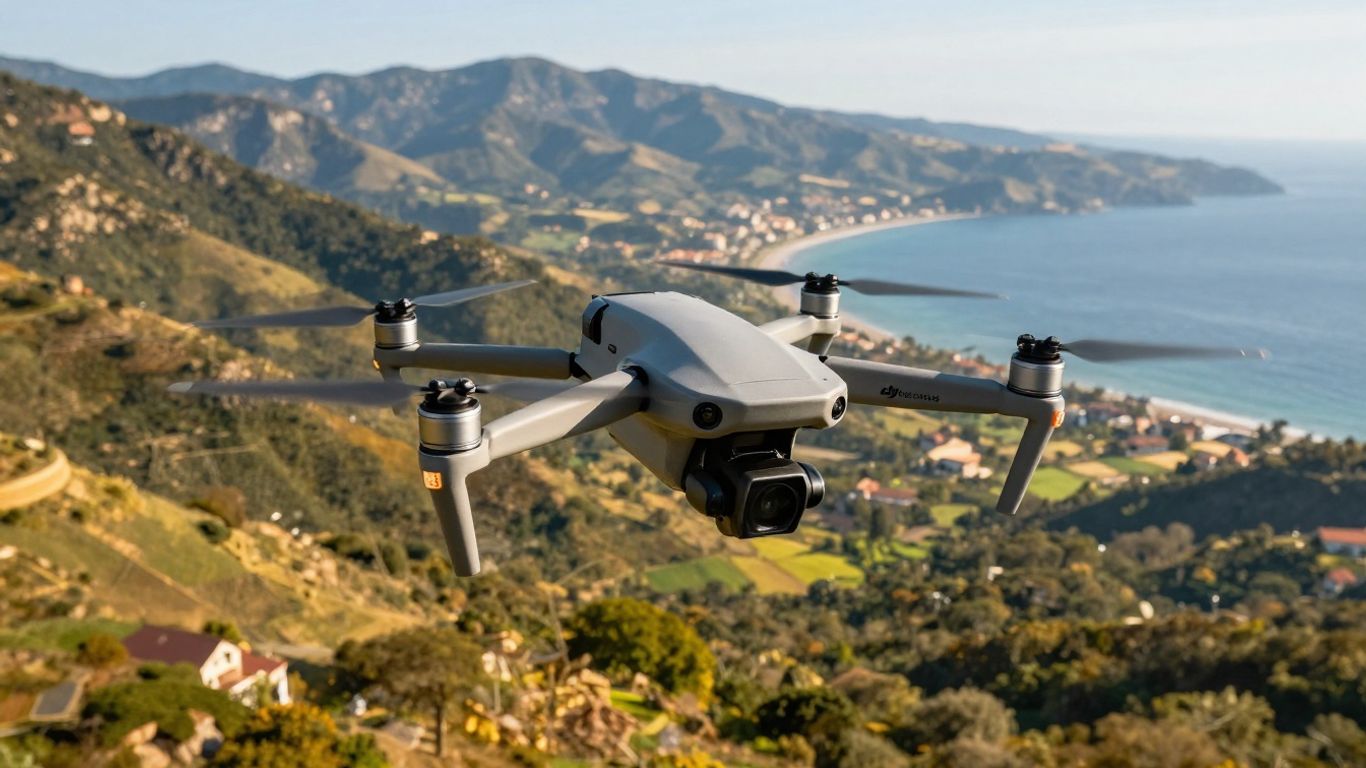
Alright, let’s talk about the DJI Air 3. If you’re looking for a drone that really hits that sweet spot between being super portable and still giving you some seriously good image quality, this one’s a strong contender. It’s not the absolute cheapest, coming in around $1,029, but you get a lot for your money.
What really sets the Air 3 apart is its dual-camera system. You get both a wide-angle lens and a telephoto lens, which is pretty neat. This means you can capture 58MP stills and get more flexibility with your shots. Plus, the battery life is pretty decent, giving you up to 45 minutes of flight time on a single charge. That’s enough to get a good amount of footage without constantly worrying about swapping batteries.
Here’s a quick look at some of its key features:
- Dual Camera System: Wide and telephoto lenses for versatile shooting.
- Flight Time: Up to 45 minutes per battery.
- Image Quality: Capable of 58MP stills.
- Transmission: Ocusync 4.0 for stable connections.
- Obstacle Sensing: Omnidirectional sensing for added safety.
I found it handles wind pretty well, which is a big plus if you’re shooting outdoors in places that can get a bit breezy. It also folds up nicely, making it easy to pack for trips. You know, for those times you want to capture some aerial shots while you’re out and about. The stable connection you get with its Ocusync 4.0 transmission is also a big deal, especially if you’re flying in areas with a lot of other signals around. It just makes the whole experience smoother.
While it’s not quite at the level of the top-tier professional models, the DJI Air 3 offers a really balanced package. It’s a solid choice for creators and hobbyists who want to step up their photography game without breaking the bank. You can find more details on its capabilities and compare it with other options if you’re curious about its place in the market.
Some folks have mentioned that the dynamic range isn’t quite as wide as some of the pricier drones, and the charging setup can be a little bulky. But honestly, for the price and what you get, it’s a really solid drone. It’s definitely one of the best photography drone choices if you’re looking in that mid-range segment. It’s a great way to push your creative boundaries without feeling limited by your gear, and it’s a step up from older models like the Air 2S, offering more advanced features for your aerial adventures. You can check out the DJI Air 3 for more information.
6. DJI Flip
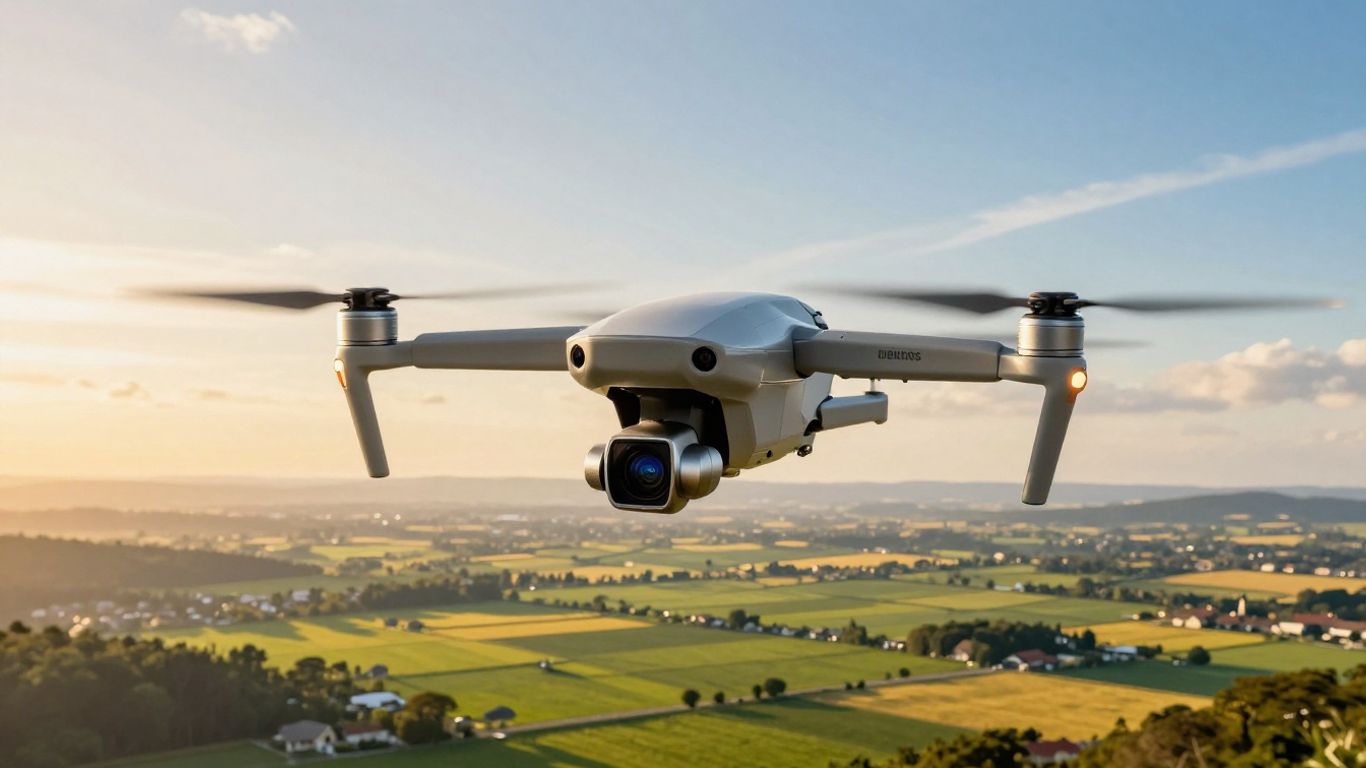
If you’re looking for a drone that’s easy on the wallet but still packs a punch for creative shots, the DJI Flip might be your jam. It’s a solid choice for beginners or anyone who wants to dip their toes into aerial photography without breaking the bank. You get a 1/1.3-inch CMOS sensor here, which is pretty decent for capturing 48MP photos and 4K video at a smooth 60 frames per second. Plus, it’s designed with safety in mind, even coming with propeller guards, and it weighs less than 250 grams, so you don’t have to worry about registration in most places.
This drone is also optimized for vertical shooting, making it super handy if you’re all about that social media life – think Instagram Stories or TikTok. It’s a great option for capturing content in tighter spaces, like indoor events or real estate walkthroughs. You can grab one for around $439, which is a steal compared to some of the higher-end models. It offers about 31 minutes of flight time on a single charge.
However, it’s not all sunshine and rainbows. The biggest trade-off for that lower price is the lack of an obstacle avoidance system. While the design is safe, you’ll need to be extra careful when you’re flying, especially if you’re new to it. For a more robust safety net, you might want to consider something like the DJI Air 3S, which offers advanced obstacle detection.
Here’s a quick look at what you get:
- Camera: 48MP photos, 4K/60fps HDR video
- Weight: Under 250 grams
- Flight Time: Approximately 31 minutes
- Special Features: Propeller guards, optimized for vertical shooting
- Price: Around $439
While the DJI Flip is a fantastic budget-friendly option, remember that its lack of obstacle avoidance means you’ll be the primary guardian against crashes. It’s a trade-off for affordability, so fly smart!
It’s a good drone for getting started, especially if you’re focused on content creation for platforms that favor vertical video. You can find it at retailers like Amazon or B&H Photo, making it pretty accessible. If you’re curious about how it stacks up against other popular models, checking out a comparison between the DJI Flip and the Mini 4 Pro could be helpful.
7. DJI Mini 4K
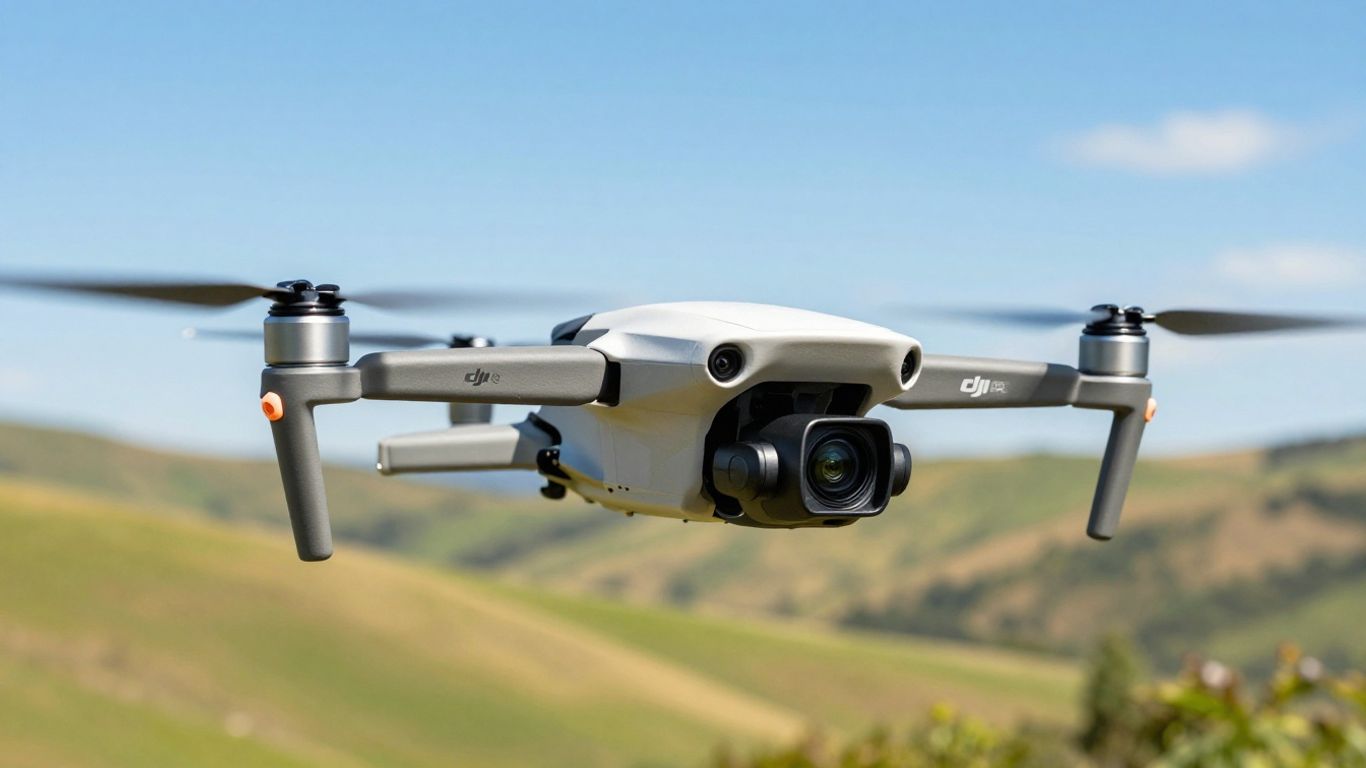
Alright, let’s talk about the DJI Mini 4K. If you’re just dipping your toes into the drone world or maybe need something super budget-friendly, this could be your guy. It’s DJI’s most affordable option, coming in at a cool $299, which is pretty wild when you think about what you get. You can snag it with a controller right out of the box.
Now, don’t expect the same jaw-dropping video quality as the pricier models. The Mini 4K has a smaller sensor, so in low light or when you’re looking at the footage on a big screen, you’ll notice it’s not as sharp. But hey, for just sharing clips on social media, it’s totally fine. It’s probably the best drone you can get for under $600 if you’re really watching your wallet.
One of the best things about this drone, and many of DJI’s Mini series, is its weight. It clocks in at under 249 grams. This is a big deal because, for hobbyists, it means you usually don’t have to worry about registering it with the FAA or dealing with Remote ID rules. That makes getting started so much simpler.
Here’s a quick look at what you can expect:
- Price: Around $299
- Flight Time: Up to 31 minutes
- Weight: Under 249 grams
- Camera: Shoots 4K video, but with a smaller sensor compared to higher-end models.
While the DJI Mini 4K is a fantastic entry point, if you have a little more cash to spend, you might want to check out the DJI Mini 3. It offers a slightly better sensor and longer flight times, but the Mini 4K really shines when you consider its price point. It’s a great way to get into aerial photography without breaking the bank. You can find some great deals on this drone if you look around, maybe even on Amazon.
So, if your main goal is to get a drone that’s easy to fly, won’t cost you an arm and a leg, and lets you capture some decent 4K footage for your online posts, the DJI Mini 4K is definitely worth a look. It’s a solid choice for beginners or anyone who just wants to have some fun in the sky.
The DJI Mini 4K is a fantastic choice for beginners looking to get into aerial photography. It’s easy to fly and captures great shots. If you’re interested in learning more about drones like this, check out our website for detailed reviews and buying guides!
Ready to Take Flight?
So, you’ve looked through the top drone picks for 2026, and hopefully, you’ve got a clearer idea of what’s out there. Whether you’re just starting out or looking to upgrade your gear for more professional work, there’s definitely a drone that fits what you need. Remember to think about what you’ll be shooting, where you’ll be flying, and what your budget looks like. Taking the time to choose the right drone now means you’ll be capturing those amazing aerial shots you’ve been dreaming of much sooner. Happy flying!
Frequently Asked Questions
Which drone is the top pick for taking pictures in 2026?
Picking the absolute best drone depends on what you need and how much you want to spend. For amazing photos and videos, the DJI Mavic 4 Pro is a top choice if you’re looking for professional quality. If you want something great but more budget-friendly, the DJI Mini 4 Pro is a fantastic option that’s easy to use and carry around.
Do I need to register my drone if I use it for photography?
Usually, yes! If your drone weighs more than 250 grams (about half a pound), you’ll likely need to register it with the aviation authorities in your country. This is important for flying legally, especially if you’re using it for anything other than just fun. Always check the specific rules where you plan to fly.
What camera features are most important for drone photography?
When you’re looking for a drone to take pictures, pay attention to the camera’s sensor size and how many megapixels it has. A bigger sensor and more megapixels usually mean clearer, sharper photos, especially in tricky lighting. Also, make sure it can shoot photos in RAW format, which gives you more control when editing later.
Can older drones still take good photos in 2026?
Absolutely! Many drones that aren’t the very latest models can still capture really good pictures. Drones like the DJI Air 2S or earlier Mavic models can be a great deal if you find them at a lower price. They might not have all the newest bells and whistles, but they can still provide excellent image quality for your photography needs.
What’s a good drone for someone just starting out with photography?
If you’re new to drone photography, you’ll want a drone that’s easy to fly and has good safety features. Look for models that are lightweight, have simple controls, and include things like obstacle avoidance sensors. Drones like the DJI Mini series are often recommended for beginners because they are user-friendly and still take nice pictures.
How long should a drone’s battery last for good photography sessions?
For photography, longer flight times are always better so you have more time to get the perfect shot. Drones that offer 30 minutes or more of flight time per battery are generally considered good. The top-tier drones can fly for over 45 minutes, which is fantastic for covering larger areas or getting multiple angles without needing to land and swap batteries too often.