DJI Neo 2 at Best Buy: Is It the Best Choice for You?
Thinking about picking up a new drone? If you’re looking at the DJI Neo 2 Best Buy has in stock, you’re probably wondering if it’s really the right move. There’s a lot of hype around this little quadcopter, especially since it’s got features you don’t usually see at this price. Whether you’re brand new to drones or just want something simple that still shoots sharp video, the Neo 2 might catch your eye. But is it actually the best fit for you? Let’s break down what it offers and what you should know before you buy.
Key Takeaways
- The DJI Neo 2 Best Buy sells is easy to use, making it great for beginners and casual flyers.
- You get 4K/60fps video, solid stabilization, and gesture controls for hands-free flying.
- Safety features like omnidirectional obstacle avoidance and return-to-home help prevent crashes.
- Internal storage is bigger now, but there’s no microSD card slot, so you’ll need to transfer footage often.
- It’s not the best choice for hardcore FPV pilots or those who want pro-level image quality, but it’s a strong pick for everyday fun.
DJI Neo 2 At Best Buy: An Overview
What The DJI Neo 2 Actually Is
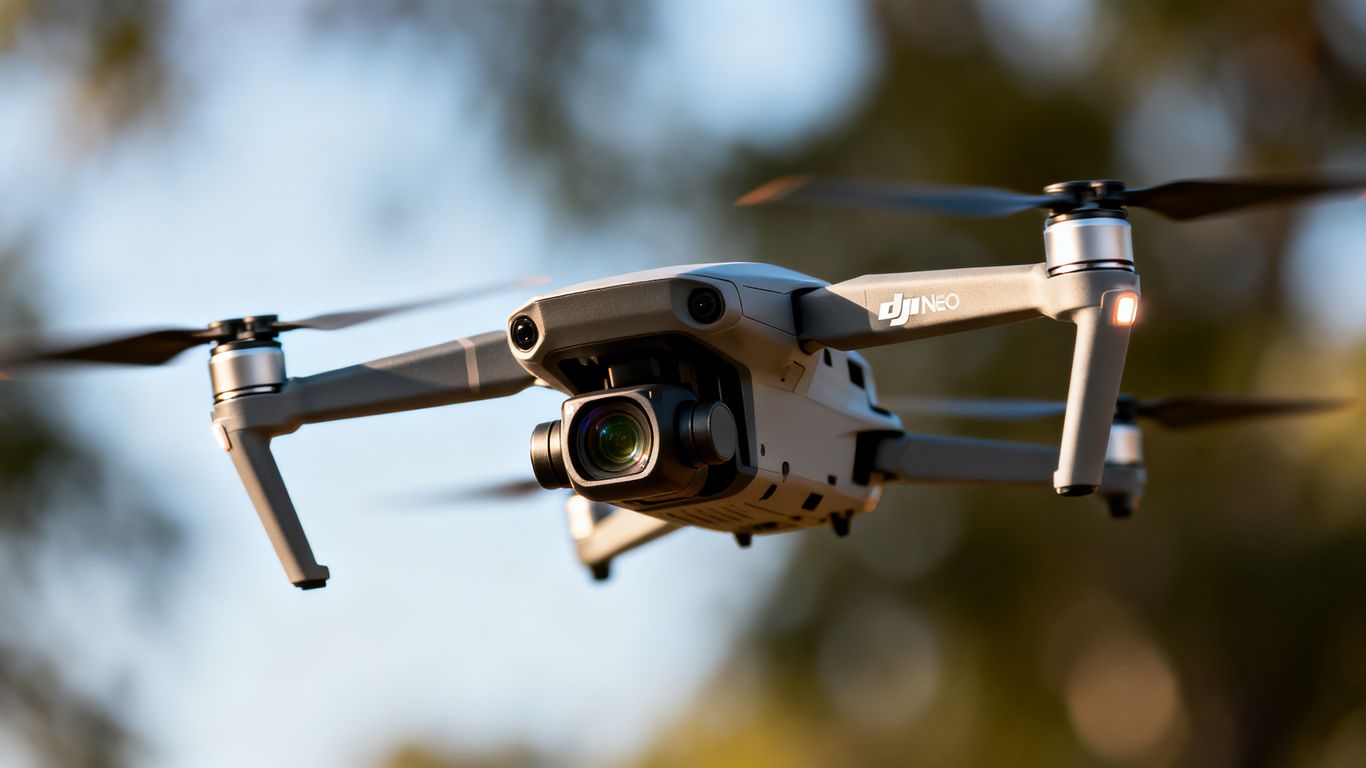
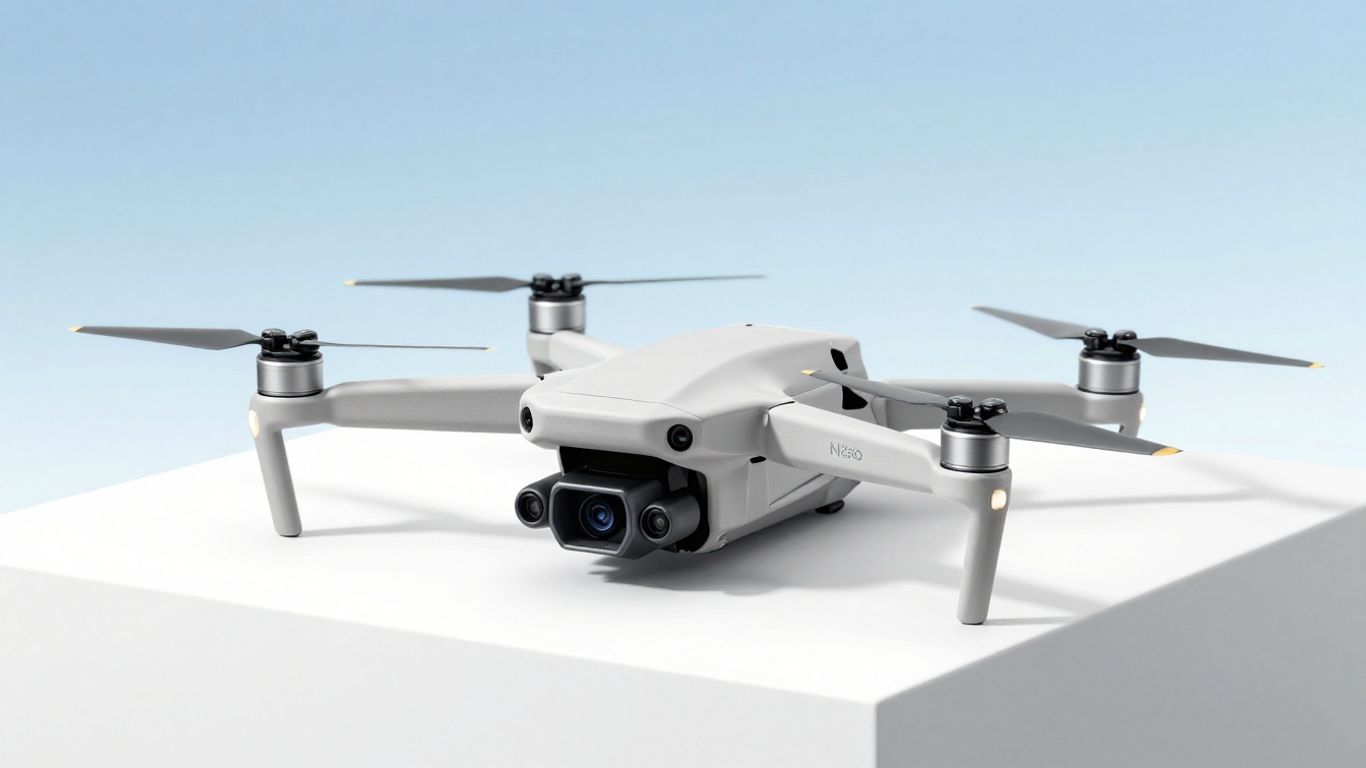
So, you’re looking at the DJI Neo 2 and wondering what exactly it is. Well, think of it as DJI’s attempt to make one drone do a whole lot of things really well. It’s not just a simple selfie drone, though it’s fantastic at that. It also acts as a capable camera drone for general use and even dips its toes into the FPV (First-Person View) world. It’s designed to be a jack-of-all-trades, aiming to be your go-to for various aerial needs. Compared to its predecessor, the Neo 2 feels like a significant step up, packing features you wouldn’t typically expect in a drone at this price point. It’s a compact and lightweight flyer that doesn’t skimp on power or quality.
Key Upgrades From The Original Neo
DJI didn’t just tweak the Neo 2; they really went back to the drawing board. The camera got a nice boost, now shooting 4K video at a smooth 60 frames per second, a big jump from the original’s 30fps. Stabilization is also much better thanks to a new two-axis mechanical gimbal. Perhaps the most significant upgrade is the omnidirectional obstacle avoidance system. This uses LiDAR and infrared sensors to help the drone see and avoid obstacles in all directions, which is a huge safety improvement. They’ve also bumped up the internal storage significantly, though they removed the microSD card slot, which is a bit of a trade-off. And yes, Gesture Control is here, letting you pilot the drone with just your hands – pretty neat!
Here’s a quick look at some of the main improvements:
- Video Resolution: 4K/60fps (up from 4K/30fps)
- Gimbal: 2-axis mechanical (up from 1-axis)
- Obstacle Avoidance: Omnidirectional (up from basic)
- Internal Storage: 49GB (up from 22GB)
- Gesture Control: Added feature
The Neo 2 feels like a more mature version of its predecessor, loaded with features that make flying more intuitive and safer, especially for those new to drones. It really tries to cover all the bases.
DJI Neo 2 Best Buy Availability
If you’re thinking of picking up the DJI Neo 2, Best Buy is one of the places you can find it. You might see it listed as the DJI Neo 2 Fly More Combo with RC-N3 Remote Controller. It’s priced competitively, often seeing slight reductions from its original MSRP. You can even check for availability and purchase it directly through the Best Buy app. It’s a solid option if you want to get your hands on this versatile drone without a long wait.
Capturing Your World With The DJI Neo 2
4K/60fps Video Capabilities
So, you’ve got this little drone, the DJI Neo 2, and you’re wondering what kind of footage you can actually get out of it. Well, get ready, because it shoots video in 4K at a smooth 60 frames per second. That’s pretty sweet for capturing action or just making your travel videos look extra polished. It also does 50fps and 30fps if you need those options. The video files are saved as MP4, and the maximum bitrate is 80Mbps. For most people just wanting to share clips online or make some cool memories, this is more than enough. The video quality is surprisingly good for a drone this size and price. You can get about an hour and 40 minutes of 4K/60fps footage stored internally, which is quite a bit.
Two-Axis Mechanical Gimbal For Stability
Ever tried filming something while walking or moving? It usually ends up looking like a shaky mess, right? The Neo 2 has a two-axis mechanical gimbal that really helps smooth things out. It’s not quite as fancy as some of the three-axis gimbals you see on pricier drones, but it does a solid job of keeping your shots steady, especially when you’re moving around. It uses DJI’s RockSteady stabilization, which is pretty effective at cutting down on those jerky movements. This means your footage will look much more professional and easier to watch, even if you’re not the steadiest flyer.
Gesture Control For Hands-Free Operation
This is where things get really fun. The Neo 2 has this feature called Gesture Control. Basically, you can use hand signals to tell the drone what to do – like take off, land, or even follow you. It feels a bit like magic the first time you try it, and it’s a fantastic way to get group shots or selfies without needing anyone else to hold the controller. It’s super intuitive and makes flying the drone feel way more interactive. You can even use automated tracking features to keep you in the frame while you’re doing your thing. It’s a neat trick that really sets this drone apart, making it super easy to capture yourself in action without fuss. You can check out some of the automated flight modes here.
While the Neo 2 is great for casual filming and selfies, don’t expect it to replace high-end cinema drones. It’s designed for ease of use and quick captures, not professional cinematic productions. For that, you might need to look at more specialized gear.
Here’s a quick look at what you get:
- 4K Video: Shoot at up to 60fps for smooth, detailed footage.
- 2-Axis Gimbal: Provides good stabilization for your videos.
- Gesture Control: Fly and take photos using just your hands.
- Internal Storage: Comes with 49GB built-in, so you can start flying right away.
Enhanced Safety Features Of The DJI Neo 2
Omnidirectional Obstacle Avoidance System
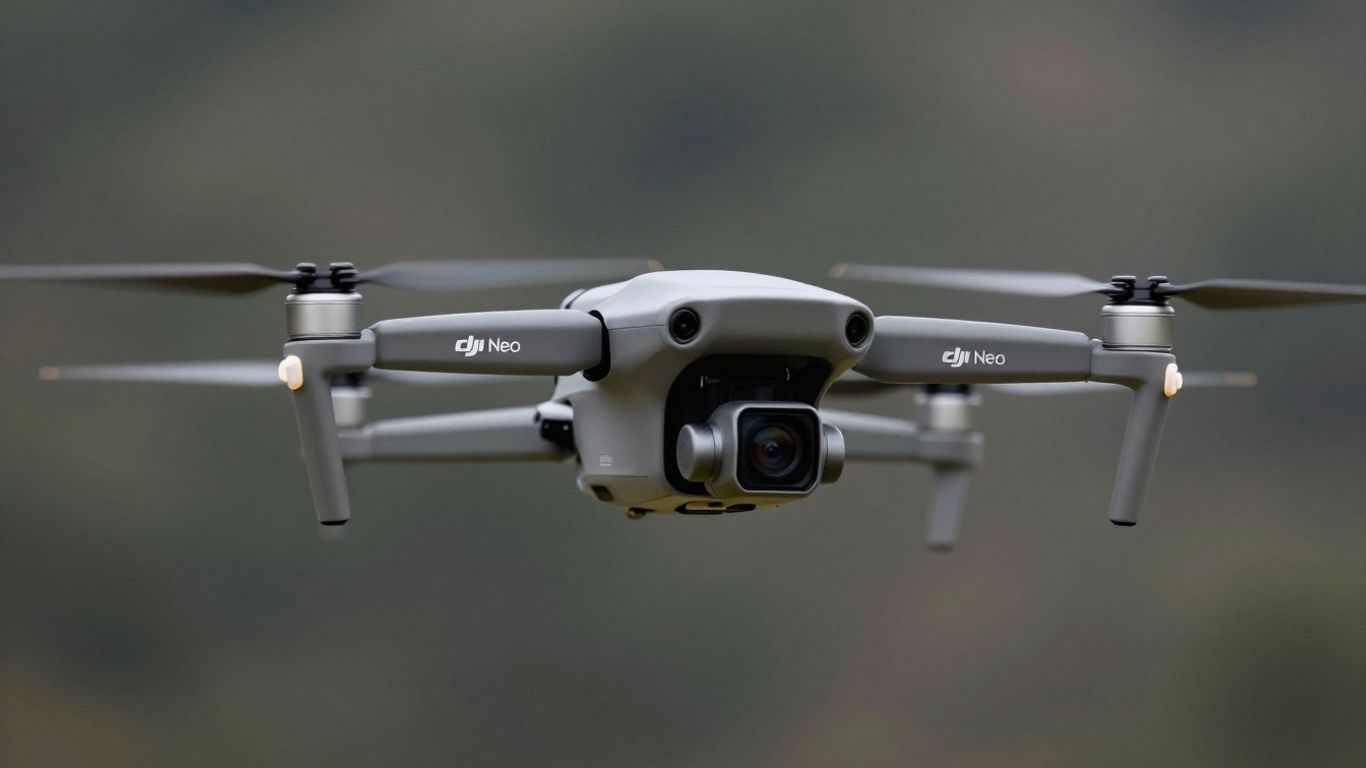
This is a big one, folks. The DJI Neo 2 comes equipped with an omnidirectional obstacle avoidance system. What does that mean for you? It means the drone can see and react to things around it from pretty much every angle. This significantly reduces the chances of you bumping into something, whether you’re a total beginner or have been flying for a while. It’s a huge step up from drones that only look forward. This feature alone makes the Neo 2 a much better choice over its predecessor, and frankly, most other drones in its price bracket. You can find similar tech on much pricier drones, so it’s great that DJI put it on the Neo 2. You can check out more about this advanced safety capability on DJI’s website.
LiDAR And Infrared Sensing Technology
So, how does it see everything? The Neo 2 uses a combination of technologies. It’s got forward-facing LiDAR sensors, which are super precise for detecting objects, and downward infrared sensors. Together, these systems create a detailed picture of the drone’s surroundings. This allows it to do more than just stop; it can actually maneuver around obstacles if needed. It’s pretty neat to watch it work, especially when you’re flying in tighter spaces or complex environments. You’ll get visual cues in the app, like warning lights that change color as you get closer to something, and audible alerts too. Just remember, while it’s incredibly helpful, it’s not magic. Always keep an eye on your drone and the environment.
Intelligent Return-To-Home Functionality
When your battery gets low or you lose the signal, the Neo 2 knows what to do. Its Intelligent Return-To-Home (RTH) function uses the same obstacle avoidance sensors to guide it back to its takeoff point safely. This means it’s less likely to crash into anything on its way back, which is a massive relief. You can also manually trigger RTH if you need to. It’s designed to be smart about its return trip, making the whole process less stressful for you. Just make sure you have a clear takeoff and landing area, and you’re good to go.
DJI Neo 2 Flight Experience And Modes
Versatile Flying Modes: Selfie, Standard, and FPV
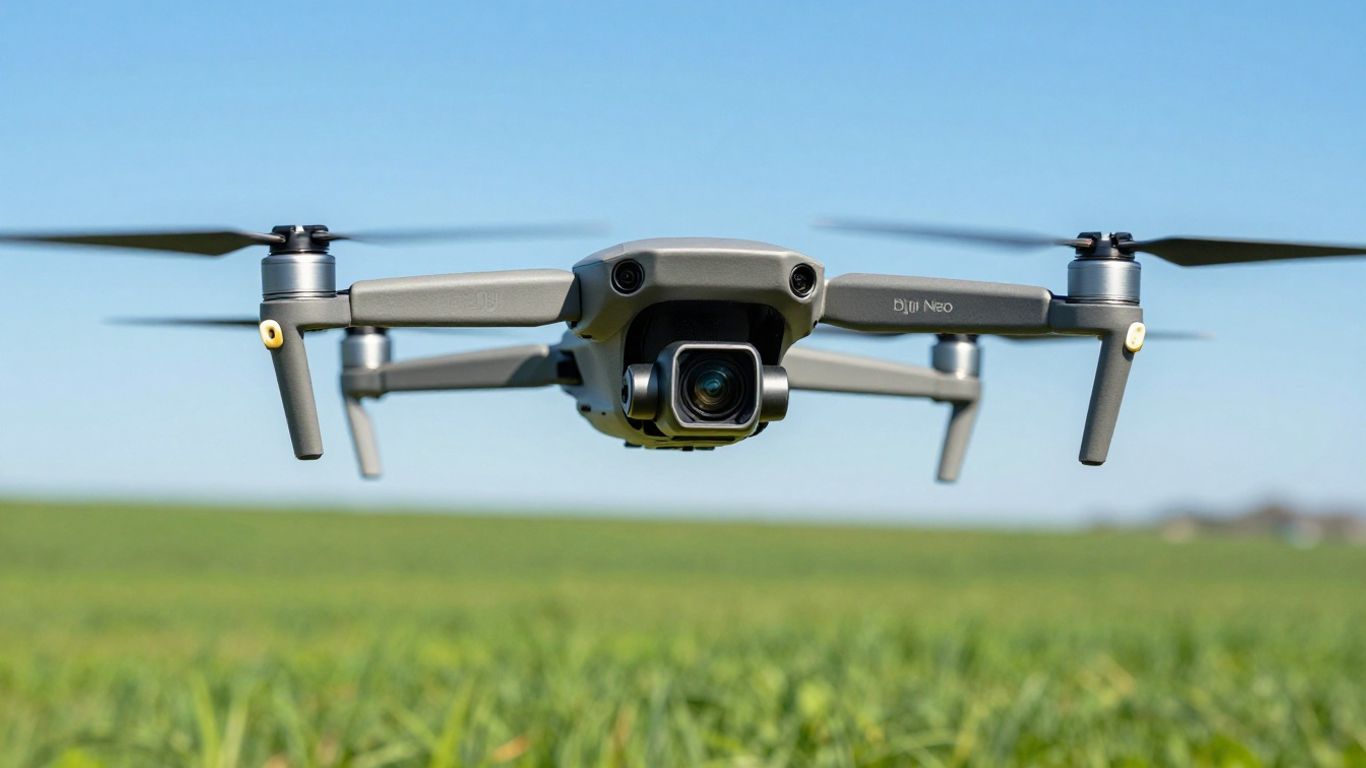
The DJI Neo 2 really shines when it comes to how you can fly it. It’s not just a one-trick pony; you get a few different ways to take to the skies. First up, there’s the Selfie mode, which is pretty much where this drone wants to be. You can launch it, control it with hand gestures, and it even tracks you automatically. It feels like you’re commanding it with just your thoughts, almost like a Jedi. The built-in screen on the drone itself is a neat addition, showing you the current flight mode and settings, so you don’t always need your phone or controller handy. This makes for a truly hands-free experience, which is pretty cool.
Beginner-Friendly Flight Experience
If you’re new to the drone world, the Neo 2 is designed with you in mind. The standard mode offers a stable and predictable flight. It actively prevents collisions in all directions, which is a huge relief for anyone worried about bumping into things. You can also use Gesture Control, which is surprisingly intuitive once you get the hang of it. It makes flying feel less like operating a machine and more like a natural extension of your movements. It’s a great way to get comfortable in the air without the constant stress of potential crashes. You can even check out the DJI Neo 2 drone for a closer look at its capabilities.
Limitations for Advanced FPV Pilots
Now, while the Neo 2 can do FPV (First-Person View) flying, it’s important to set your expectations. DJI added a Manual mode, which gives you more direct control, and it’s definitely a step up from the standard modes. However, don’t expect it to perform like a dedicated FPV drone. It can feel a bit underpowered, with slower acceleration and a slightly floaty response compared to more specialized FPV aircraft. It’s fantastic for learning the basics of FPV and getting a feel for it safely, but if you’re looking to do advanced acrobatics or freestyle flying, you’ll likely find its capabilities limited. It’s more like FPV with training wheels – safe and accessible, but not built for extreme maneuvers. The drone also has a height restriction, capping out at 120 meters, which is significantly lower than some other DJI models.
Comparing The DJI Neo 2 To Other Drones
If you’re looking at camera drones and image quality is your top priority, the DJI Mini 5 Pro has the edge. Its larger sensor picks up more detail and offers superior processing. You get sharper and cleaner video, plus it does a better job with lighting changes. The Mini 5 Pro is a go-to if you want consistent, professional-level shots. But before you get too excited, the Neo 2 does things differently:
- Handy gesture controls for controller-free flying
- Selfie and tracking modes that work surprisingly well
- Lower price—easier on your wallet
- The ability to fly via FPV goggles for a more immersive view
While the DJI Neo 2 isn’t everyone’s pick for pure image quality, it wins big for beginner-friendly features and affordability.
Check out how the Neo 2 emphasizes unique features compared to similar budget drones in this side-by-side breakdown.
| Feature | DJI Neo 2 | DJI Mini 5 Pro |
|---|---|---|
| Sensor Size | 1/2" | 1/1.3" |
| Video Resolution | 4K/60fps | 4K/60fps |
| Obstacle Avoidance | Omnidirectional | Forward, backward, downward |
| Gesture Control | Yes | No |
| Selfie/Tracking Modes | Yes | Yes |
| Price (approx) | $200 | $750 |
Cinewhoops are designed for speed and extreme maneuverability, especially indoors. They’re favorites for pilots who love tight spaces and creative, dynamic flights. Here’s the thing—Cinewhoops need regular tinkering: soldering, assembly, tuning, and sometimes even emergency repairs. The Neo 2, on the other hand, is ready out of the box, perfect for people who’d rather skip the tech headaches. Here’s where they differ most:
- Neo 2 offers tracking and selfie modes without hassle
- Built-in obstacle avoidance makes it safer
- No soldering or complicated setup—but repairing the Neo 2 means sending it off, unlike a Cinewhoop you can fix yourself
- Cinewhoops deliver better speed and raw power for stunts and racing
If fuss-free flying and safety top your list, the Neo 2 makes more sense. Still, if you dream of high-intensity, custom flights, a Cinewhoop might be more your thing.
The DJI Avata 2 is all FPV, all the time—higher speeds, acrobatic performance, and crisp FPV video. It’s basically built for pilots who want the thrill of first-person flight. The Neo 2 flirts with FPV flying but isn’t the same animal. Instead, the Neo 2 stands out as a hybrid—great for selfies, general shots, and occasional FPV, but not a replacement for a dedicated FPV rig. Compare briefly:
- Avata 2 flies faster and supports more aggressive maneuvers
- Neo 2’s strongest suit is accessible, hands-free features like gesture flying
- Beginners will have a less intimidating time with the Neo 2
- Avata 2, while exciting, can be overwhelming and needs more practice
If you love variety and want your drone to do a bit of everything, Neo 2 feels like a Swiss Army knife. If it’s pure, adrenaline-fueled FPV you crave, Avata 2 stays king of that hill.
There’s no one-size-fits-all drone—think about what you enjoy most: creative shots, ease of use, or heart-pounding FPV? Knowing that will point you to the right choice.
Trying to decide between the Neo 2 and the original? The Neo 2’s camera and user modes are a big upgrade.
Storage And Practical Considerations
When you’re thinking about bringing the DJI Neo 2 home, it’s good to know what you’re getting into, especially when it comes to storing your footage and what else you might need.
Increased Internal Storage Capacity
One of the big changes with the Neo 2 is that it comes with more built-in storage. This means you can record more video and take more photos directly on the drone itself before needing to transfer anything. It’s a nice convenience, especially if you’re out and about and don’t have a way to offload files immediately. You get a decent amount of space to work with, which is great for longer flights or when you’re capturing a lot of action.
No MicroSD Card Slot
Now, here’s a bit of a curveball: the Neo 2 doesn’t have a slot for a microSD card. This is different from some other drones you might have used or seen. While the internal storage is larger, you can’t expand it with a memory card. This means you’ll need to be more mindful of how much you’re recording and plan to transfer your files more regularly. It’s a trade-off for the increased internal capacity, so keep that in mind when you’re planning your flights and storage strategy. You’ll want to make sure you have a way to get your footage off the drone and onto your computer or another storage device.
DJI Care And Repair Options
Accidents happen, right? Whether you’re a seasoned pilot or just starting out, it’s always wise to consider protection for your investment. DJI offers its DJI Care service, which can be a real lifesaver if something goes wrong. It’s basically an insurance plan that covers accidental damage. You can get different levels of coverage, and it usually includes options for replacing your drone if it gets damaged. It’s worth looking into, especially if you plan on flying in more challenging environments or if you’re worried about potential mishaps. You can find out more about DJI Care plans on their website, which can give you peace of mind when you’re out capturing your world.
Thinking about how to store and manage your business information? It’s important to have a good system in place. We can help you figure out the best way to keep your data organized and safe. Visit our website to learn more about smart storage solutions!
So, Should You Buy the DJI Neo 2?
Alright, so after all that, is the DJI Neo 2 the right drone for you? If you’re looking for a super easy-to-use drone that can take some pretty decent video, especially for social media or just fun, then yeah, it’s a solid pick. It’s got those cool features like gesture control and obstacle avoidance that make flying less stressful, which is great if you’re just starting out or don’t want to fuss too much. It’s not really for the serious FPV pilots who want to do crazy stunts, and the video quality isn’t going to beat the really high-end cameras. But for most people who just want a fun, capable drone that won’t break the bank and is easy to fly? The Neo 2 at Best Buy is definitely worth a look.
Frequently Asked Questions
What makes the DJI Neo 2 different from the original Neo?
The DJI Neo 2 has some cool upgrades! It can shoot video in 4K at 60 frames per second, which is double the speed of the original Neo. It also has a better camera stabilizer, making your footage smoother. Plus, it has sensors all around to help it avoid bumping into things, and more storage space inside for your videos.
Can I fly the DJI Neo 2 without a controller?
Yes, you can! The Neo 2 has a neat feature called Gesture Control. You can use your hands to tell the drone where to go, like a wizard. It’s a fun way to fly, especially if you want to take selfies or videos without holding a remote.
Is the DJI Neo 2 good for beginners?
Absolutely! The Neo 2 is designed with beginners in mind. It’s easy to fly, has lots of safety features like obstacle avoidance to prevent crashes, and you can even control it with your hands. It makes learning to fly a drone much less stressful.
Does the DJI Neo 2 have enough storage for my videos?
The Neo 2 comes with 49GB of storage built right in, which is quite a bit. It’s enough space for about an hour and 40 minutes of video. However, it doesn’t have a slot for an SD card, so once it’s full, you’ll need to move your videos to a computer.
Can the DJI Neo 2 fly like a professional FPV drone?
While the Neo 2 can give you an FPV (first-person view) experience with goggles, it’s not really made for serious FPV flying. It’s more of a versatile drone that’s great for selfies and general filming. For advanced FPV pilots who want high speeds and acrobatics, other drones might be a better fit.
What happens if the DJI Neo 2 gets close to something?
The Neo 2 has an amazing system that helps it see and avoid obstacles from all directions. If it gets too close to something, it will automatically slow down, change its path, or stop to prevent a crash. This makes flying much safer, especially for beginners.