Is the DJI Mavic Mini 1 Still Worth Buying in 2026? A Look Back
Thinking about picking up a DJI Mavic Mini 1 in 2026? It was a big deal when it first came out, really changing the game for smaller drones. But with all the new models out there, you’re probably wondering if it’s still a good buy. Let’s take a look back and see if this little drone still has what it takes.
Key Takeaways
- The DJI Mavic Mini 1 was a trailblazer for compact, lightweight drones, making aerial photography more accessible.
- While newer models offer better cameras and more features, the Mavic Mini 1’s simplicity and sub-250g weight remain attractive for certain users.
- Its camera, though basic by today’s standards, can still capture decent photos and 4K video, especially in good lighting.
- You won’t find advanced features like obstacle avoidance or complex intelligent flight modes on the Mavic Mini 1, which is a trade-off for its lower price.
- For absolute beginners or those prioritizing ease of use and avoiding complex regulations, the DJI Mavic Mini 1 might still be a sensible, budget-friendly choice.
The Enduring Appeal Of The Dji Mavic Mini 1
A Pioneer In Compact Drones
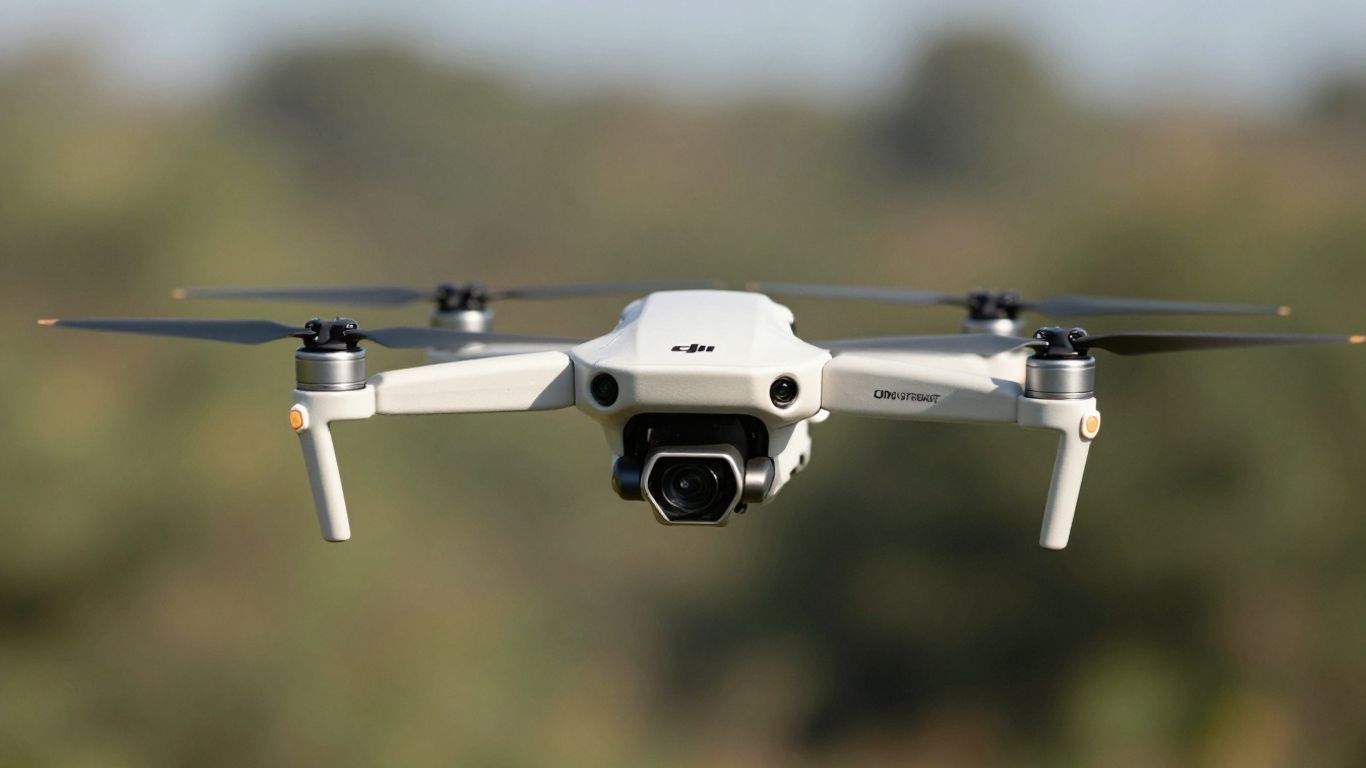
When the DJI Mavic Mini 1 first came out, it really changed the game for drone enthusiasts. Before this little guy, most drones were either pretty basic or quite large and expensive. The Mini 1 managed to pack a decent camera and good flight performance into a package that weighed less than 250 grams. This was a huge deal because, in many places, drones under that weight limit didn’t require registration. It made getting into drone photography and videography so much easier for everyday people. You could just grab it and go without a lot of hassle.
Legacy In The Drone Market
Even though newer models have come out, the Mavic Mini 1 left a lasting mark. It showed everyone that you didn’t need a massive drone to get good aerial shots. This paved the way for all the smaller, more portable drones we see today, like the DJI Mini 3 and even more advanced options. It proved that a lightweight drone could still be capable and fun to fly. For many, it was their first drone, and it gave them a taste of what aerial imaging could do. It’s kind of like how the first iPhone changed smartphones; the Mavic Mini 1 did something similar for personal drones. You can still find great deals on this drone, making it an accessible entry point into the world of DJI drones.
Still A Viable Option?
So, is it still worth considering in 2026? Well, that depends on what you’re looking for. If you need the absolute latest and greatest camera tech or advanced features like obstacle avoidance, you’ll probably want to look at newer models. However, if you’re a beginner just wanting to get some cool aerial shots without breaking the bank, or if you really value that sub-250-gram weight advantage, the Mavic Mini 1 can still be a solid choice. It offers a good balance of features for its time and remains a capable flyer for casual use. It’s a drone that really made aerial photography accessible to the masses.
The Mavic Mini 1’s biggest win was making drone flight simpler and less regulated for many users, opening up the skies to a wider audience than ever before.
Here’s a quick look at how it stacked up:
- Weight: Under 250 grams (often avoiding registration)
- Camera: Capable of 4K video and 12MP photos
- Flight Time: Around 30 minutes per battery
- Portability: Folds down small for easy transport
Camera Capabilities And Image Quality
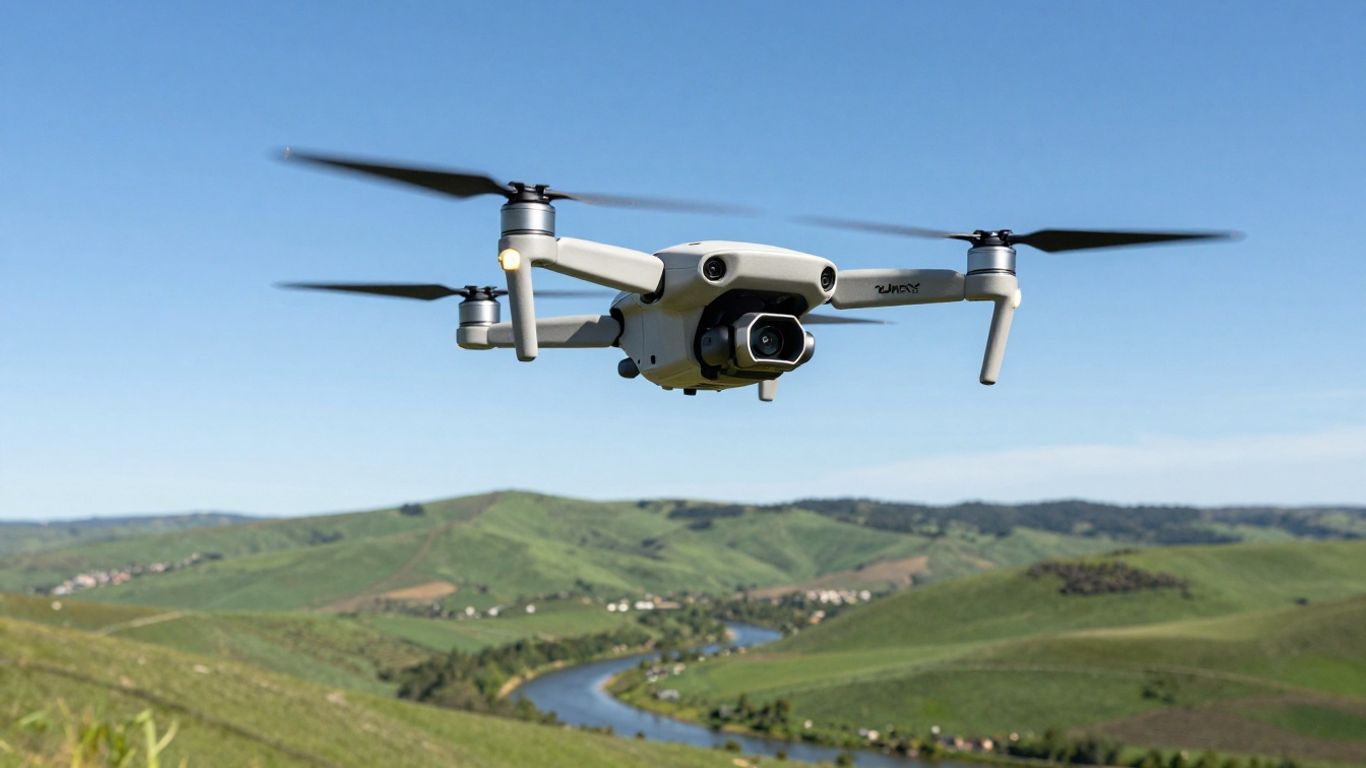
Let’s talk about what you can actually capture with the DJI Mavic Mini 1. When it first came out, its camera was a big deal for a drone this small and light. You’re looking at a 12-megapixel sensor that can shoot video in up to 2.7K resolution at 30 frames per second. For photos, it captures 12MP images. It’s not going to compete with the latest professional gear, but for its time and size, it was pretty impressive.
Comparing Sensor Performance
The 1/2.3-inch CMOS sensor in the Mavic Mini 1 was a solid performer for its class. While newer models, like the DJI Mini 3, boast larger sensors and higher resolutions, the Mini 1 still holds its own for casual use. You’ll get decent detail and color, especially in good lighting. If you’re comparing it to, say, a DJI Mini 4K, you’ll find similar sensor sizes, though the Mini 4K might edge it out slightly in overall image processing. For everyday shots and sharing on social media, it’s perfectly adequate.
Video Resolution And Frame Rates
As mentioned, the Mavic Mini 1 tops out at 2.7K at 30fps. You can also shoot in 1080p at 60fps, which is great if you want smoother footage or plan to do some slow-motion editing. While you won’t get the 4K footage that many newer drones offer, or the super-high frame rates for extreme slow-motion, the 2.7K is still sharp enough for most people’s needs. It’s a good balance between quality and file size.
Gimbal Stabilization And Portrait Mode
One of the standout features of the Mavic Mini 1 was its 3-axis mechanical gimbal. This is what keeps your footage looking smooth and stable, even if there’s a bit of wind or you’re making quick movements. It really makes a difference compared to drones without this kind of stabilization. You won’t find advanced features like ‘Portrait Mode’ that some newer DJI drones have, which artificially blurs the background. However, the core stabilization is excellent and a key reason why the footage from this little drone still looks good today. You can check out some of the capabilities of DJI drones for aerial photography here.
The gimbal is the unsung hero here. It takes the shaky movements of your hands or the drone’s flight and smooths them out, making your videos look professional, even if you’re just starting out. It’s a simple but effective piece of tech that really elevates the final output.
Flight Performance And Features
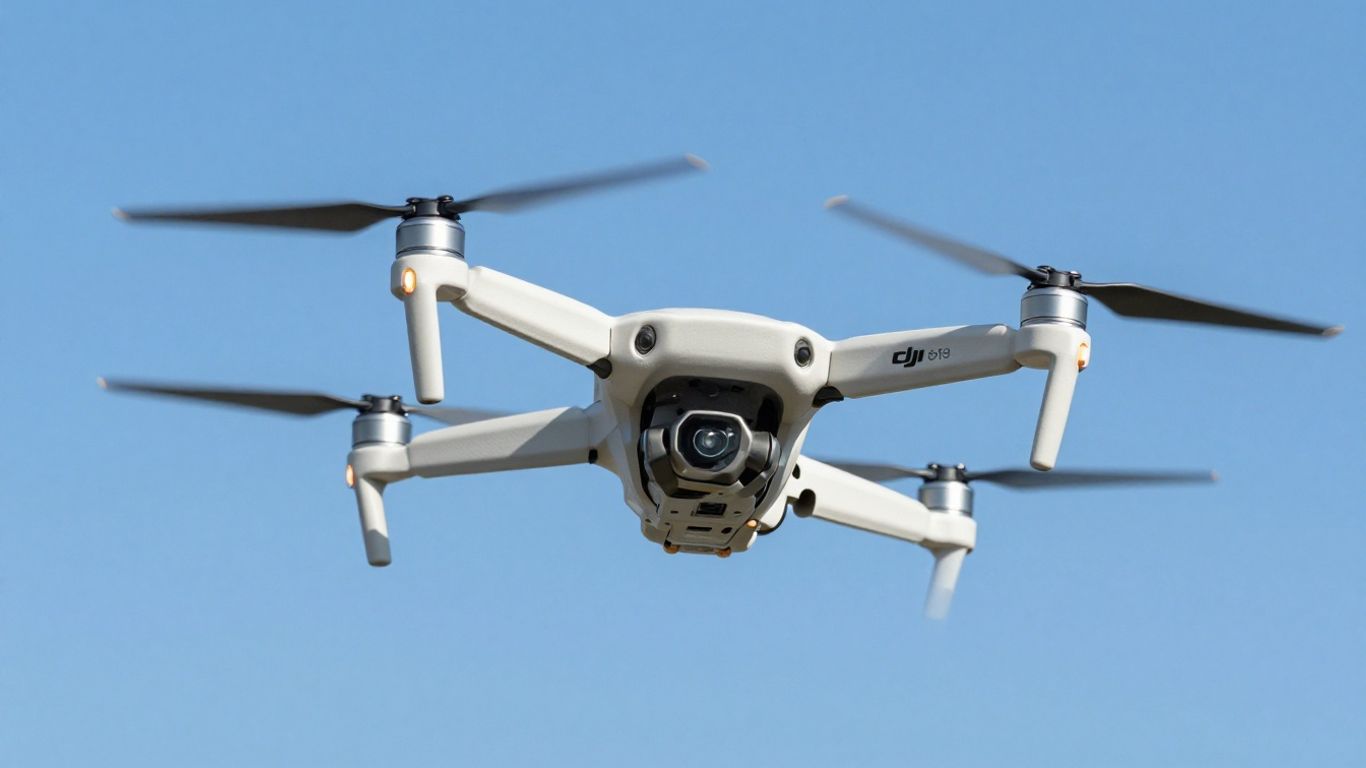
When you’re out flying, how the drone actually handles in the air is pretty important, right? You want something that feels stable and predictable, not like a kite in a hurricane. The DJI Mavic Mini 1, despite its small size, actually does a decent job here. It’s not going to be out there battling gale-force winds like some of the bigger, pricier models, but for everyday flying and capturing smooth footage, it holds its own.
Understanding Flight Time
One of the first things you’ll notice is how long you can actually stay up in the air. The standard battery for the Mavic Mini 1 gives you a respectable flight time. While newer models might boast longer durations, especially with optional larger batteries, the Mini 1’s flight time is usually enough for most casual users to get the shots they need without feeling rushed. It’s always a good idea to have a spare battery or two if you plan on extended sessions, though.
- Standard Flight Time: Around 30 minutes per battery.
- Considerations: Battery performance can decrease in cold weather or strong winds.
- Recommendation: Carry extra batteries for longer outings.
Range And Connectivity
How far can you actually fly this thing? DJI is known for its reliable connection systems, and the Mavic Mini 1 is no exception. You can expect a pretty solid connection back to your controller or phone. The practical range is often limited more by your line of sight than the drone’s actual signal strength. While the specs might list a theoretical maximum distance, keeping the drone within your visual range is key for safety and legal reasons. The DJI Fly app does a good job of maintaining a clear video feed, so you can see what the drone sees.
Intelligent Flight Modes
While the Mavic Mini 1 might not have all the bells and whistles of its more advanced siblings, it still includes some helpful automated features. These modes can make flying easier and help you capture more dynamic shots without needing to be a professional pilot. Think of them as helpful assistants that can perform specific maneuvers for you. You won’t find the most advanced obstacle avoidance systems here, so you’ll need to keep a bit more of an eye on your surroundings, but the core functionality is still there for basic automated flight.
The lack of advanced obstacle avoidance means you need to be more mindful of your surroundings. Always fly in open areas when using automated modes to avoid unexpected collisions. It’s a trade-off for its lightweight design and regulatory advantage.
Some of the modes you might find useful include:
- QuickShots: These are pre-programmed flight paths that allow the drone to perform complex cinematic moves like Dronie, Circle, and Helix. You just select the mode, pick your subject, and the drone does the rest.
- Return to Home (RTH): If the battery gets low or the signal is lost, the drone will automatically fly back to its takeoff point. This is a really important safety feature.
- Auto Takeoff/Landing: A simple tap in the app initiates a smooth takeoff or landing, which is great for beginners.
Even though it’s an older model, the flight performance and the inclusion of these basic intelligent modes make the Mavic Mini 1 a capable flyer for its class. It’s a good example of how even smaller drones can offer a lot of functionality, a trait that DJI continues to build upon in their newer drone models.
Design, Portability, And Regulations
The Sub-250 Gram Advantage
One of the biggest draws of the DJI Mavic Mini 1, and a reason it might still be on your radar, is its weight. Coming in at under 250 grams, it sidesteps a lot of the more stringent registration and piloting rules that apply to heavier drones. This is a pretty sweet deal, especially if you’re just starting out or plan to travel with your drone. It means you can often just grab it and go without a second thought about paperwork. This weight class is a game-changer for accessibility. It really makes flying a drone feel less like a chore and more like a hobby you can pick up on a whim. You can find more info on drone regulations and what they mean for you on sites like the FAA’s drone information page.
Ease of Transport
Beyond just the weight, the Mavic Mini 1 is designed with portability in mind. It folds up nicely, making it easy to slip into a backpack or even a larger coat pocket. When you’re comparing it to some of the bigger, more professional drones out there, the difference is night and day. You’re not going to need a dedicated case or a special bag just to take it with you. This makes it a fantastic companion for spontaneous trips or just heading out to a local park for some aerial shots. It’s not quite as small as some of the newer, more specialized folding drones, but it’s still incredibly convenient.
Navigating Drone Laws
While the sub-250 gram weight is a huge plus, it’s not a free pass to fly anywhere, anytime. You still need to be aware of local drone laws and regulations. This includes things like staying away from airports, not flying over crowds, and always keeping your drone within your line of sight. The DJI Fly app helps with some of this by showing you restricted airspace, which is a handy feature. However, it’s always your responsibility to know the rules before you fly. For instance, in the United States, you generally need to keep the drone within your unmagnified line of sight at all times. It’s a good idea to check the specific rules for your area before you take off, especially if you plan on flying in different locations. You can find more details about drone regulations and what they mean for you on sites like the FAA’s drone information page.
Here’s a quick rundown of what to keep in mind:
- Weight: Under 250 grams means fewer registration hassles.
- Line of Sight: Always keep your drone visible.
- Airspace: Be aware of no-fly zones and temporary flight restrictions.
- Privacy: Respect people’s privacy when flying.
While the Mavic Mini 1’s lightweight design is a major advantage, it’s important to remember that regulations can change. Always stay informed about the latest rules in your region to ensure you’re flying legally and responsibly. This is especially true when considering newer models like the DJI Mini 4 Pro, which also benefits from this weight advantage but comes with more advanced features. DJI drones are still widely available, but understanding the rules is key.
Comparing The Dji Mavic Mini 1 To Newer Models
So, you’re looking at the DJI Mavic Mini 1 and wondering how it stacks up against the newer drones out there, right? It’s a fair question. Technology moves fast, and DJI is always pushing the envelope. Let’s break down how the Mini 1 compares to some of its successors.
Mini 3 And Mini 4K Comparisons
When you look at the DJI Mini 3, you’re seeing a pretty significant jump from the original Mini 1. The Mini 3, for instance, boasts a much better camera system. It features a 1/1.3-inch sensor capable of shooting 48-megapixel photos and up to 4K video at 30 frames per second. Plus, its wide-angle f/1.7 lens is great in low light. The Mini 1, while a pioneer, just can’t match that image quality. The Mini 3 also has the neat trick of physically rotating its camera for vertical video, perfect for social media apps. While the Mini 1 was a fantastic entry point, the Mini 3 offers a more refined experience, especially if image quality is a priority. You can find the DJI Mini 4K drone, which is praised for its performance, at a great price these days, and it also offers 4K video and slow-motion features that the original Mini 1 lacks.
Advancements In The Mini 5 Pro
Now, if you’re looking at something like the DJI Mini 5 Pro, the gap widens even further. This newer model often includes more accurate proximity sensors and, in some configurations, a larger, 1-inch camera sensor. That’s a big deal for image quality, especially in challenging lighting. Flight times also tend to get longer with each generation. While the Mini 1 gave you a respectable flight time, newer models can push 30-40 minutes or even more on a single charge. The Mini 5 Pro also inherits improved obstacle sensing, which is something the original Mini 1 completely lacks. This makes flying much safer and less stressful, especially for beginners.
Positioning Against Mavic Series
When you compare the Mavic Mini 1 to the broader Mavic series, like the Mavic 3 Classic or the Mavic 3 Pro, you’re looking at different classes of drones. The Mavic 3 series, for example, often includes multiple cameras, including telephoto lenses, and much larger sensors (like a Four Thirds sensor on the Classic). These drones are built for professional-level aerial photography and videography. They come with a significantly higher price tag and are larger and heavier than the sub-250-gram Mini series. The Mini 1’s main advantage, and still a strong one, is its portability and the fact that it often bypasses registration requirements in many regions. While the Mavic series offers superior performance, the Mini 1 remains a champion of convenience and accessibility.
| Feature | DJI Mavic Mini 1 | DJI Mini 3 | DJI Mini 5 Pro (Projected) |
|---|---|---|---|
| Weight | < 250g | < 250g | < 250g |
| Max Video Resolution | 2.7K | 4K | 4K+ |
| Main Sensor Size | 1/2.3-inch | 1/1.3-inch | 1-inch (potential) |
| Obstacle Sensing | None | Downward only | Improved multi-directional |
| Flight Time (approx) | 30 min | 38 min | 40+ min |
While newer drones boast impressive specs, the Mavic Mini 1’s core appeal – its sub-250-gram weight and ease of use – remains a significant factor for many users. It’s a trade-off between cutting-edge features and practical, everyday usability.
Who Is The Dji Mavic Mini 1 Still For?
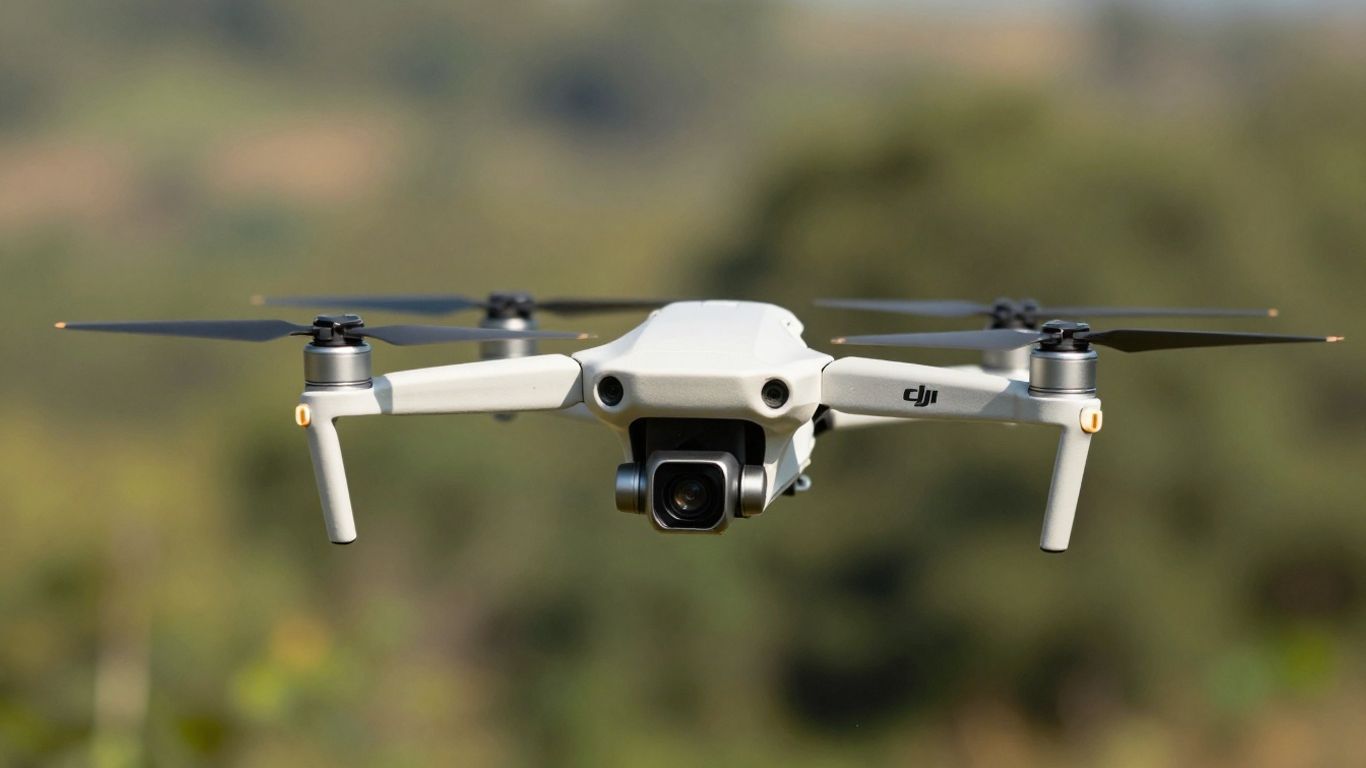
So, you’re looking at the DJI Mavic Mini 1 in 2026. It’s a fair question to ask if an older drone still holds its own. The short answer? It absolutely can, especially if you fit into a few specific categories.
Ideal For Beginners
If you’re just dipping your toes into the world of drones, the Mavic Mini 1 is a fantastic starting point. It was designed with simplicity in mind. You won’t be overwhelmed by a million complex settings right out of the box. It’s easy to get airborne and capture some decent footage without a steep learning curve. Think of it as your first step into aerial photography, letting you get a feel for flying and shooting without a huge financial commitment. It’s a great way to learn the basics before you decide if you want to upgrade to something more advanced later on. You can get a feel for flying and shooting without a huge financial commitment, and it’s a great way to learn the basics before you decide if you want to upgrade to something more advanced later on. For example, the DJI Mini 3, while newer, shares a similar philosophy and camera quality, making it a good comparison point if you’re weighing options DJI Mini 3 review.
Budget-Conscious Enthusiasts
Let’s be real, drones can get expensive. The Mavic Mini 1, especially now, can be found at a really attractive price point. If you want to get into drone photography or videography but don’t want to spend a fortune, this is where the Mini 1 shines. You get a capable camera and a stable flight experience that’s still pretty good for casual use. It’s not going to compete with the latest flagship models, but for the price, you’re getting a lot of bang for your buck. You can capture some great shots for social media or personal projects without breaking the bank.
Users Prioritizing Simplicity
Sometimes, you just want a drone that works. The Mavic Mini 1 is known for its straightforward operation. It’s lightweight, easy to pack, and the controls are intuitive. If you’re not looking for advanced features like obstacle avoidance or complex subject tracking, and you just want to get up in the air and capture some nice aerial views, the Mini 1 is perfect. It focuses on the core experience of flying and capturing images. It’s the drone you grab when you want to quickly get some shots without fussing over settings or worrying about complex flight modes. It’s about getting the job done simply and effectively.
The sub-250-gram weight is a huge plus. It means you can often fly it without needing to register it with the FAA, which simplifies things considerably. This makes it incredibly convenient for spontaneous trips or when you just want to fly without jumping through regulatory hoops.
Here’s a quick look at what you can expect:
- Camera: Decent 12MP sensor capable of 4K video.
- Weight: Under 250 grams, avoiding registration in many cases.
- Flight Time: Around 30 minutes per battery, which is solid for its class.
- Ease of Use: Very beginner-friendly interface and controls.
While newer models have certainly improved on camera quality and added more features, the Mavic Mini 1 still offers a compelling package for the right person. It’s a testament to its original design that it remains a viable option for many users even years later.
Still wondering if the DJI Mavic Mini 1 is the right drone for you? Even though it’s an older model, it still offers a lot for beginners and casual flyers. If you’re looking for a simple, easy-to-use drone that can capture great aerial shots without breaking the bank, this might be your perfect match. To learn more about who this drone is best suited for and to see if it fits your needs, check out our full review on our website!
So, Should You Buy the DJI Mavic Mini 1 in 2026?
Alright, let’s wrap this up. Thinking about grabbing a DJI Mavic Mini 1 in 2026? Honestly, it really depends on what you’re looking for. If you just want to dip your toes into drone flying without spending a fortune, and you’re okay with basic features, it might still do the trick. You’ll get decent photos and videos, and it’s super light, which is a plus. But, if you’re hoping for anything fancy like obstacle avoidance or tracking subjects, you’re going to be disappointed. Newer models, like the DJI Mini 3, offer a much better camera and more features for not a whole lot more cash, especially if you find them on sale. So, while the Mini 1 was a solid start, you might find yourself wishing for more pretty quickly. Keep your budget and your needs in mind, and maybe look at some of the slightly newer, slightly more capable options out there.
Frequently Asked Questions
Is the DJI Mavic Mini 1 still a good drone to buy in 2026?
While the DJI Mavic Mini 1 was a game-changer when it first came out, newer models offer better cameras and more features. However, if you’re looking for a super simple, lightweight drone and you find a good deal, it might still be worth considering for basic aerial shots.
What are the main differences between the Mavic Mini 1 and newer Mini drones like the Mini 3 or Mini 4K?
Newer Mini drones usually have much better cameras, allowing for sharper photos and clearer videos, often in 4K. They also tend to have longer flight times and sometimes include features like basic obstacle sensing, which the original Mini lacks.
Do I need to worry about drone laws if I buy the Mavic Mini 1?
The great thing about the original Mavic Mini is its weight – it’s under 250 grams! This means in many places, you don’t need to register it or worry about the stricter rules that apply to heavier drones. Always check your local laws, though!
Can the Mavic Mini 1 take good photos and videos for social media?
For basic social media sharing, the Mavic Mini 1 can still do a decent job. Its camera is capable of capturing usable footage, but don’t expect the stunning quality you’d get from today’s higher-end drones. It’s perfect for casual snaps and short clips.
What kind of flight features does the Mavic Mini 1 have compared to newer models?
The Mavic Mini 1 focuses on simplicity. It has basic flight controls and some beginner-friendly modes like ‘QuickShot’ for automated flight paths. However, it doesn’t have advanced features like obstacle avoidance or sophisticated subject tracking found on more recent drones.
Who would benefit most from buying a DJI Mavic Mini 1 today?
You’d likely enjoy the Mavic Mini 1 if you’re a complete beginner who wants to try flying a drone without spending a lot of money or dealing with complicated rules. It’s also great if you just need a super portable drone for occasional, simple aerial views.