The Future is Connected: Exploring the Power of Fiber Optic Drones
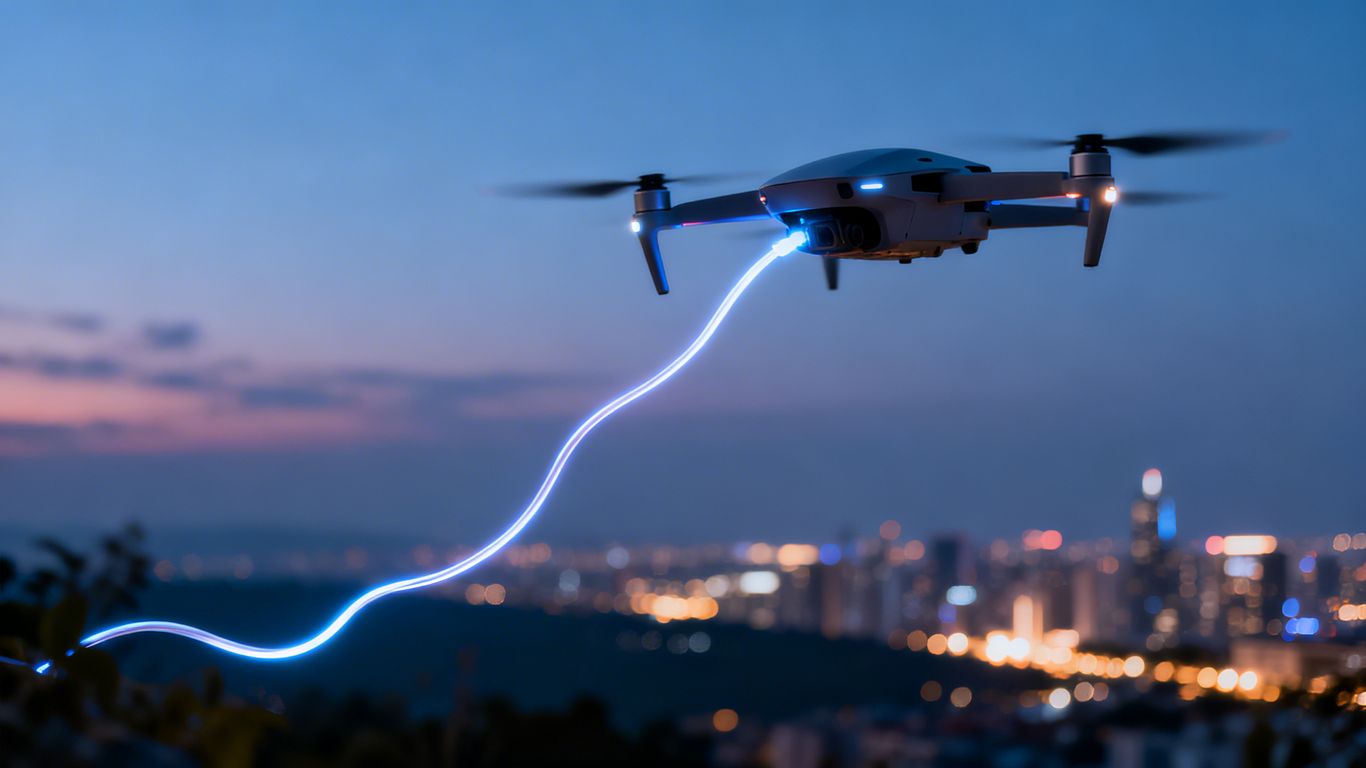
You’ve probably seen drones buzzing around, right? They’re everywhere now, doing all sorts of things. But have you heard about the latest kind? These are fiber optic drones, and they’re pretty neat. Instead of relying on radio signals that can get messed up, they use a thin cable. This makes them super reliable, especially when things get a bit chaotic. Let’s dive into what makes these fiber optic drones so special and how they’re changing the game.
Key Takeaways
- Fiber optic drones use a physical cable for communication, making them immune to jamming and electronic warfare, which is a big deal in contested areas.
- They offer really fast, lag-free data transfer, perfect for things like watching live video or controlling precise actions.
- Beyond the military, these drones can help fix phone lines, check out disaster zones, and make sure networks are running smoothly.
- Future fiber optic drones will likely use AI to fly themselves and connect to 5G for even better performance.
- However, managing the tether cable can be tricky, sometimes limiting how far or how fast the drone can go.
The Rise Of Fiber Optic Drones In Modern Warfare
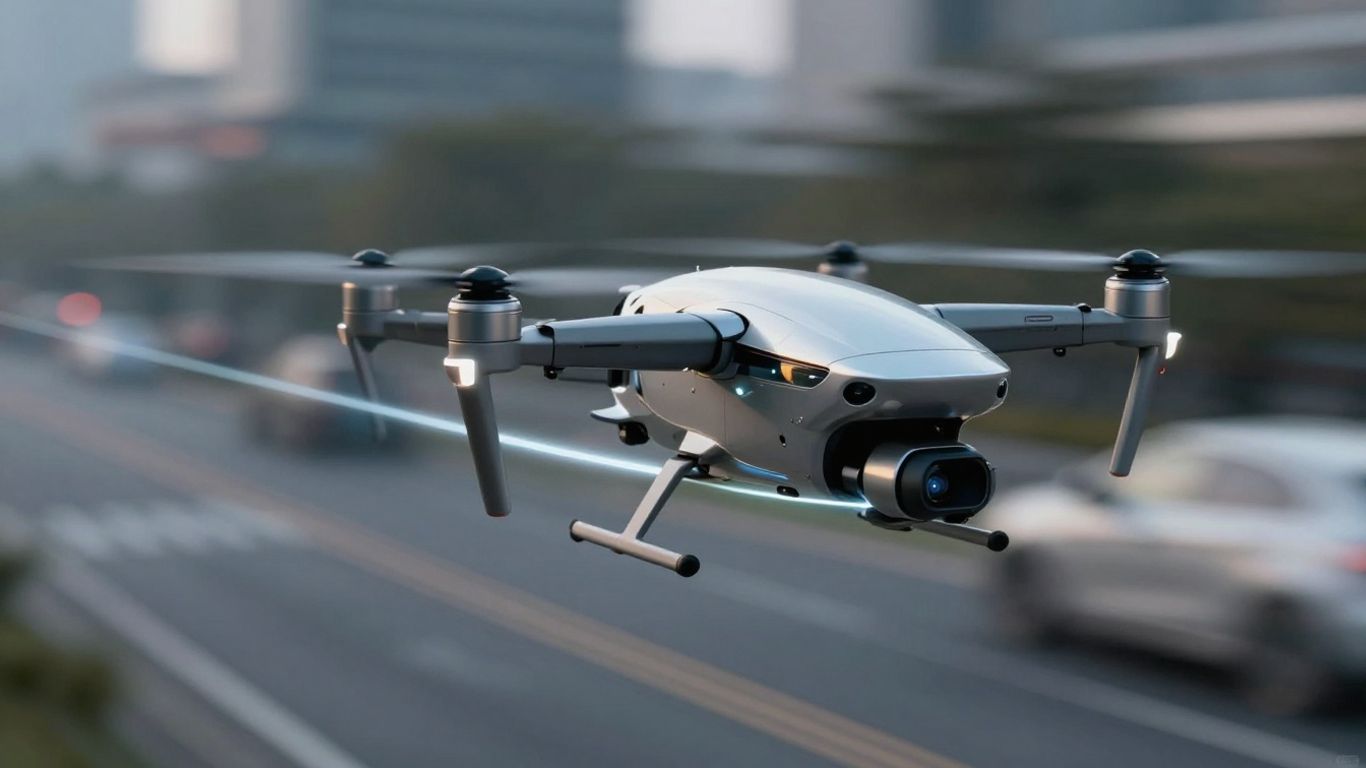
So, you’ve probably heard about drones being used in conflicts, right? They’re everywhere. But the game is changing, and you’re going to want to know about these fiber optic drones. Forget about those drones that rely on radio signals, which can be easily messed with. These new ones are different. They’re connected by a super-thin fiber optic cable, almost like a digital leash, to their operator. This physical connection means they’re pretty much immune to jamming, which is a huge deal when you’re in a really noisy electronic environment. Think about it: no more worrying about your signal getting blocked or spoofed. It’s a game changer for operations in contested areas.
Unjammable Operations In Contested Environments
This is where fiber optic drones really shine. In modern warfare, electronic warfare (EW) is a massive threat. Adversaries can jam radio frequencies, making regular drones useless. But with a fiber optic tether, the drone’s communication is physical, not wireless. This makes it completely immune to jamming and signal spoofing. You get a reliable connection no matter what’s happening with radio signals around you. This means you can conduct operations with confidence, even in the most challenging electronic battlefields. It’s like having a direct, private line that no one can intercept or disrupt. This reliability is a major advantage for military drone operations.
Enhanced Control And Precision Strikes
Because the connection is so stable and fast, you get incredible control over these drones. The video feed is high-definition and has very little delay, allowing for precise targeting. You can see exactly what the drone sees, in real-time, and make split-second decisions. This level of control is vital for both reconnaissance and for carrying out precision strikes. Imagine needing to hit a very specific target; the low-latency video and direct control make that much more achievable. It’s not just about getting eyes on target; it’s about being able to act on that information with pinpoint accuracy.
Stealth Capabilities For Infiltration
Here’s another cool aspect: fiber optic drones don’t emit radio signals. Regular drones, even if they’re quiet, still give off some radio frequency (RF) emissions that can be detected. By not having any RF emissions, these tethered drones are much harder for the enemy to find. This stealth factor is super useful for infiltration missions, where you need to get in and out without being noticed. You can use them for reconnaissance deep behind enemy lines or for surprise attacks. The lack of RF signature significantly reduces the drone’s detectability, giving you a tactical edge.
Here are some key advantages:
- Immunity to Jamming: Direct physical connection bypasses electronic warfare.
- High-Quality Video Feed: Real-time, low-latency HD video for better situational awareness.
- Reduced Detectability: No RF emissions make them harder to track.
- Reliable Command and Control: Uninterrupted link for consistent operation.
While the advantages are clear, it’s worth noting that the tether itself can present challenges, like snagging on obstacles or limiting the drone’s range and maneuverability. These are trade-offs that operators have to consider.
Revolutionizing Data Transmission With Fiber Optic Drones
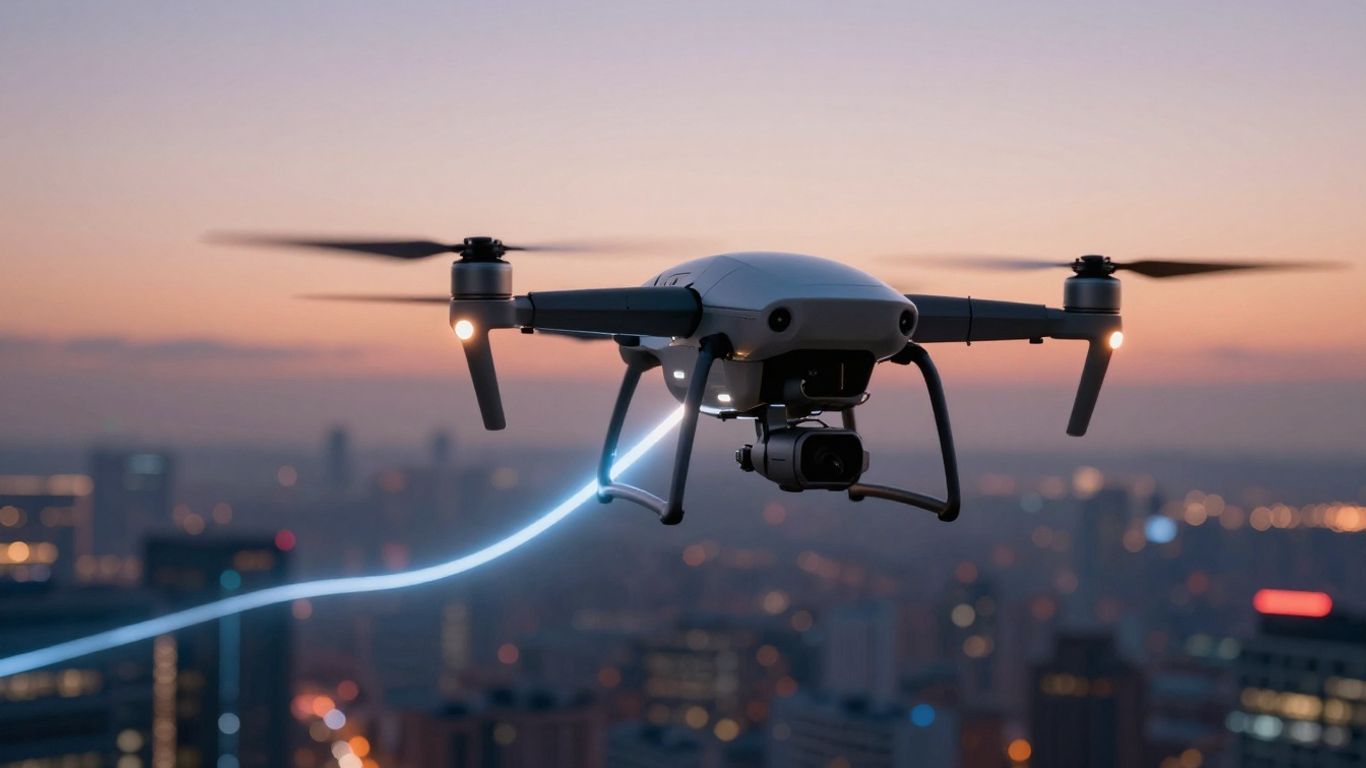
When you think about drones, you probably picture them zipping around wirelessly, right? Well, fiber optic drones flip that script. Instead of relying on radio waves, which can be a real pain in the neck due to interference and jamming, these drones use a physical fiber optic cable. This might sound a bit old-school, but it’s actually a game-changer for how data gets sent.
High-Speed, Low-Latency Communication
This is where fiber optics really shine. Because the data travels through a physical cable, you get incredibly fast speeds and almost no delay. Think about it: you’re getting real-time video feeds and control signals without that annoying lag you sometimes get with wireless systems. This means you can react quicker, make more precise adjustments, and generally have a much smoother operation. It’s like upgrading from dial-up to fiber internet, but for your drone.
Immunity To Electronic Warfare
One of the biggest headaches with modern drone use, especially in contested areas, is electronic warfare (EW). Jamming signals can completely shut down a wireless drone, rendering it useless. Fiber optic drones, however, are largely immune to this. Since the communication isn’t wireless, there’s no radio frequency for jammers to target. This makes them incredibly reliable when you absolutely cannot afford to lose connection. You can operate with confidence, knowing your link is secure.
Secure And Reliable Connections
Beyond just speed and anti-jamming, the fiber optic connection offers a level of security and reliability that wireless just can’t match. The data is physically contained within the cable, making it much harder to intercept or disrupt. This is super important for sensitive operations where data integrity is paramount. Plus, the connection is far less prone to environmental interference, like bad weather or dense urban areas, which can often mess with wireless signals. It’s a robust way to keep your drone connected and your data safe, even in tough spots. You can check out more about the advantages of these systems at Omnitron Systems.
Here’s a quick look at how they stack up:
| Feature | Traditional Wireless Drones | Fiber Optic Drones |
|---|---|---|
| Communication Method | Radio Frequency (RF) | Fiber Optic Cable |
| Speed & Latency | Variable, prone to lag | High-speed, low-latency |
| Electronic Warfare | Vulnerable to jamming | Immune to jamming |
| Security | Moderate | High |
| Reliability | Affected by interference | Highly reliable |
Applications Beyond The Battlefield
You might think fiber optic drones are just for the military, but that’s not the case at all. These connected aerial systems have a lot more to offer, even when there’s no fighting going on. Think about how we maintain our communication lines or respond when disaster strikes. These drones can really help out.
Telecommunications Infrastructure Maintenance
Maintaining the vast network of cables that keep us connected is a huge job. Fiber optic drones can make this task much easier and safer. Instead of sending crews out to inspect every inch of cable, a drone can do it quickly. It can fly along power lines or underground conduits, sending back high-definition video and data. This means you can spot problems like damaged insulation or loose connections before they cause a major outage. It’s all about proactive maintenance to keep things running smoothly. This technology is really changing how we look after our essential networks.
Emergency Response and Disaster Assessment
When a natural disaster hits, getting a clear picture of the damage is critical for rescue efforts. Fiber optic drones can be deployed rapidly to assess the situation. They can fly over flooded areas, collapsed buildings, or wildfire zones, providing real-time visual data to emergency responders. This helps them understand the scope of the problem, identify safe routes for rescue teams, and locate people who might need help. The reliable connection means they won’t lose contact even if other communication systems are down. This kind of situational awareness is invaluable when every second counts.
Network Optimization and Inspection
Beyond just fixing what’s broken, these drones can also help optimize existing networks. For example, in large industrial complexes or sprawling urban areas, they can inspect cell towers, satellite dishes, and other communication equipment. They can check for signal strength issues, physical damage, or even unauthorized modifications. This kind of detailed inspection helps ensure that your network is performing at its best. It’s like giving your entire communication system a thorough check-up. You can find out more about how these systems are being used in civilian contexts here.
The ability to maintain a stable, high-bandwidth connection via a physical tether means these drones can transmit large amounts of data without the interference or security concerns that plague wireless systems. This makes them ideal for tasks requiring constant, reliable communication, even in complex environments.
Advancements Driving Fiber Optic Drone Evolution
So, what’s making these fiber optic drones get better and better? It’s a mix of smart tech and new ideas. You’ve probably seen how much AI is popping up everywhere, right? Well, it’s a big deal for these drones too. We’re talking about drones that can pretty much run themselves for certain jobs. Imagine a drone that can scout an area, figure out what it’s seeing, and even decide the best way to report back, all without a person constantly telling it what to do. This means they can handle complex missions, like finding enemy positions or checking out a dangerous spot, and react on the fly.
Then there’s the whole 5G thing. You know how much faster your phone gets when you’re on 5G? It’s similar for these drones. Integrating with 5G networks means they can send and get huge amounts of data super quickly and without much delay. This is huge for things like real-time video feeds or when you need to control multiple drones at once. It really opens up possibilities for operating in tricky situations where you need constant, reliable communication, like in contested areas or when you’re doing something like maintaining telecom infrastructure.
Here’s a quick look at what’s changing:
- AI Integration: Drones making their own decisions, improving targeting, and handling reconnaissance autonomously.
- 5G Network Integration: Faster data, better connectivity over wider areas, and less interference.
- Hybrid Designs: Combining fiber optics with radio signals, so they can switch to wireless when needed, making them more flexible.
The push for smarter, more connected drones isn’t just about making them faster; it’s about making them more useful in more situations. Think about drones that can adapt to jamming or operate for longer periods without needing constant human oversight. It’s a big step forward.
We’re also seeing some clever ideas for the physical side of things. People are working on ways to make the fiber optic cables easier to manage, so they don’t get snagged as much. Some are even looking into recoiling systems, almost like a fishing reel, to help manage the cable. And there’s research into making the cables lighter and stronger, or even biodegradable, which is pretty neat. These practical improvements are just as important as the high-tech stuff for making fiber optic drones truly practical for everyday use, whether that’s on the battlefield or for civilian applications.
It’s a busy time for drone development, and these advancements are really shaping what fiber optic drones can do. They’re moving beyond just being a cool idea to becoming a real tool that can tackle some tough problems. The way these drones are evolving shows just how important reliable, high-speed data is becoming in our connected world.
Navigating The Challenges Of Fiber Optic Drones
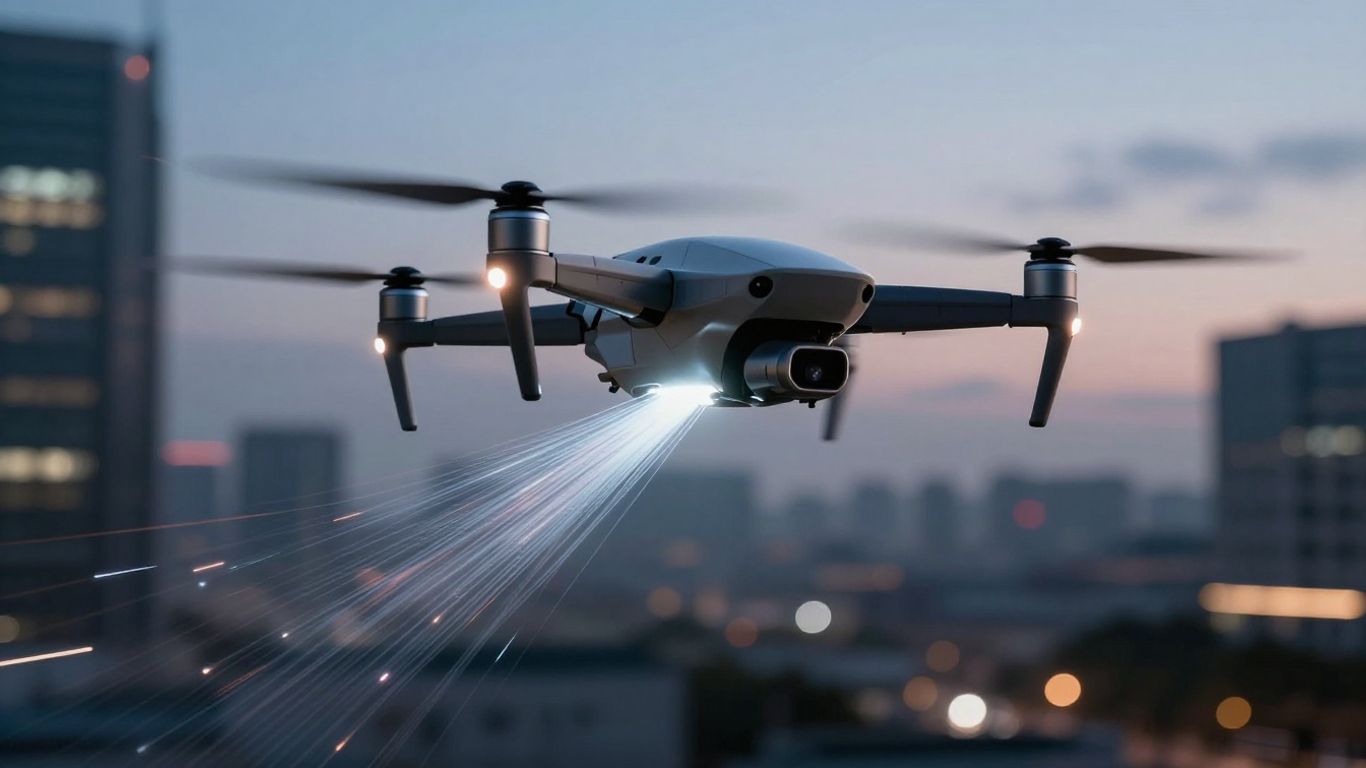
While fiber optic drones bring some serious advantages to the table, especially for keeping a solid connection in tough spots, they aren’t exactly a walk in the park to use. You’ve got to think about a few things before you send one up.
Managing Tethers And Reducing Snag Risks
The biggest headache you’ll likely run into is that tether. It’s what gives you that super reliable connection, but it can also be a real pain. Think about flying near trees, fences, or even just buildings – that cable can easily get caught. You’ll need to be pretty careful about how you fly, maybe sticking to open areas or planning your routes to avoid obstacles. It’s not like a regular drone where you can just zip behind cover; you’re physically connected.
- Plan your flight path meticulously to avoid entanglement.
- Consider the environment: dense foliage, urban canyons, and complex structures increase snag risk.
- Practice flying at specific angles to keep the tether clear.
The physical tether, while a source of strength for communication, also becomes a physical limitation. It dictates flight patterns and requires a level of spatial awareness from the operator that goes beyond typical drone piloting.
Addressing Maneuverability Constraints
Because you’re tethered, your drone isn’t going to be as nimble as its wireless cousins. You can’t just have it dive into a tight spot or bank sharply around a corner without considering where that cable is going. This limits how you can use the drone, especially if you need it to get into really tight spaces or perform quick, evasive maneuvers. It’s a trade-off for that secure link, you know? You gain reliability but lose some freedom of movement. Marines have been looking into how these drones can help with tactical effects, and maintaining control in tricky situations is a big part of that assessment.
Optimizing Range And Payload Capacity
Then there’s the issue of how far your drone can go and how much it can carry. The cable itself has weight, and the longer it is, the more it can affect the drone’s performance. Plus, you’ve got to spool that cable, which takes up space and adds weight. This means you might not be able to fly as far as you’d like, or carry as much gear or explosives as a comparable wireless drone. It’s a balancing act between the length of your tether, the drone’s power, and what you need it to do. You’ll have to figure out what’s most important for your mission: range, payload, or that unbreakable connection.
The Future Of Connected Aerial Operations
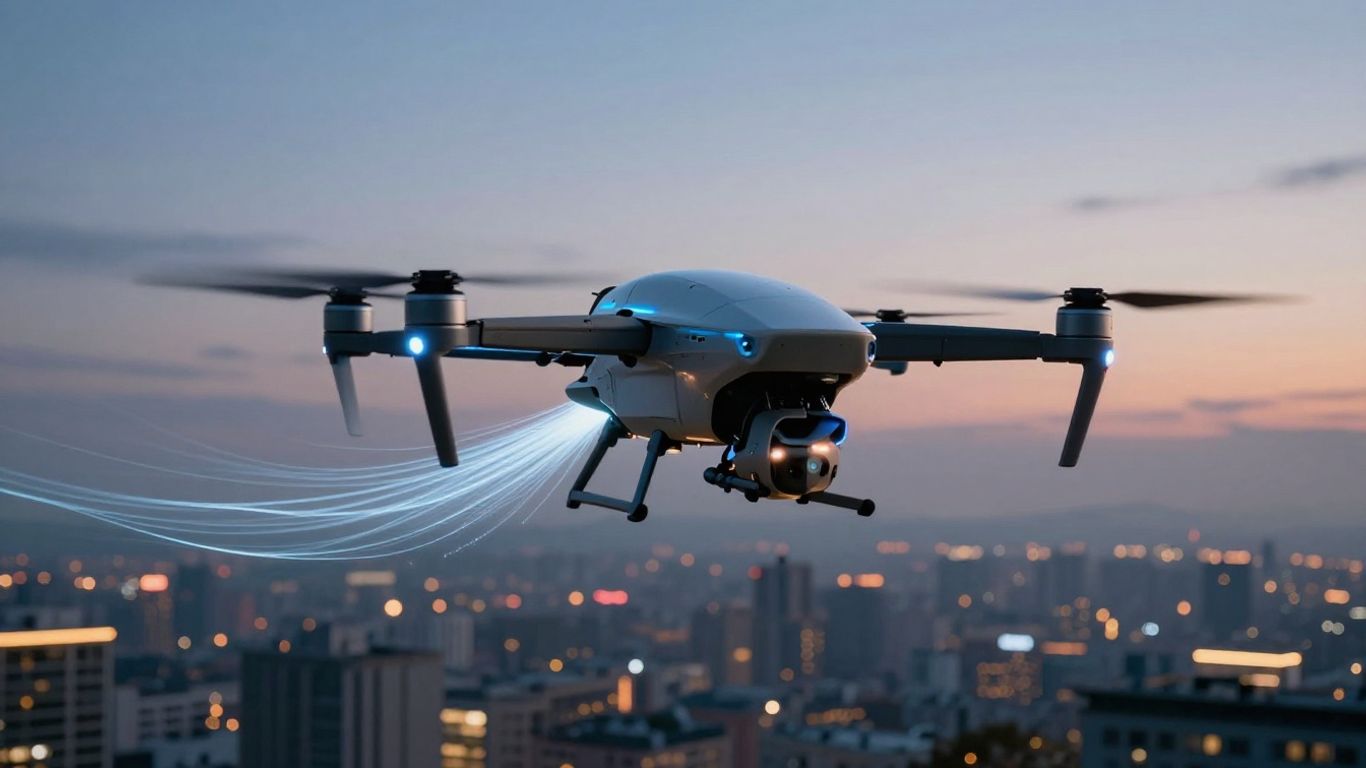
Transforming Drone Warfare Tactics
So, what does all this mean for how we fight with drones? It’s a pretty big shift. Think about it: instead of worrying if your drone’s signal is getting jammed or hacked, you’ve got a direct, super-fast line. This means you can control things with way more accuracy, even when things get chaotic on the ground. You’re not just sending a drone up; you’re extending your senses and your reach in a way that’s much harder to disrupt. It’s like having a direct phone line to your eyes and hands in the sky, no matter what.
Enabling Operations In Denied Environments
This is where fiber optic drones really shine. You know those places where radio signals just can’t get through, or where enemy jamming is so bad it makes regular drones useless? That’s exactly where these tethered systems can operate. They don’t rely on radio waves, so they can go places and do things that were previously impossible. Imagine needing to scout a heavily defended area or maintain a communication link through a dense urban environment – a fiber optic drone can make that happen.
The Growing Importance Of Fiber Optic Drones
It’s clear that these drones aren’t just a passing trend. As electronic warfare gets more sophisticated, the need for reliable, unjammable communication becomes more important. We’re seeing them used more and more, and the technology is only getting better. Expect to see them integrated with AI for smarter missions and perhaps even hybrid designs that switch between fiber and radio depending on the situation. They’re becoming a key part of the modern toolkit for aerial operations, both for military and other uses.
- Increased reliability in contested airspace.
- New possibilities for reconnaissance and surveillance.
- Reduced vulnerability to electronic countermeasures.
The move towards fiber optic drones signals a significant evolution in how we think about aerial connectivity. It’s about building systems that can operate dependably, even when the environment is actively trying to stop them. This focus on a secure, physical link is changing the game for drone applications.
The sky is becoming a busy place with drones and other flying tech! Imagine a world where these aerial machines work together smoothly, like a well-oiled machine. This is the future of connected aerial operations, making everything from deliveries to inspections faster and smarter. Want to learn how this amazing future is taking flight? Visit our website to discover more!
So, What’s Next?
It’s pretty clear that these fiber optic drones are more than just a passing trend. They’re already changing how things are done, especially when communication needs to be super reliable and fast, like in tough military situations or when you’re trying to fix complicated networks. As the tech gets better, with smarter AI and faster connections like 5G, you can bet these drones will pop up in even more places. You might see them helping out after a disaster, keeping our communication lines in check, or doing jobs that were just too risky before. It’s exciting to think about what else they’ll be able to do as they keep evolving. Keep an eye on this space, because the future of connected technology is definitely looking up, and these drones are leading the way.
Frequently Asked Questions
What exactly is a fiber optic drone?
Imagine a drone that’s connected to its operator by a super-thin, strong string, like a tiny thread. This string isn’t just for control; it’s made of special glass or plastic that sends information super fast, like light! This means the drone can send back clear video and receive commands without using radio waves, which can be easily blocked or messed with.
Why are these drones better than regular drones that use radio signals?
Think about trying to talk on the phone during a thunderstorm – the signal might get fuzzy or cut out. Regular drones use radio signals that can be jammed or interfered with, especially in places where there’s a lot of electronic activity, like a battlefield. Fiber optic drones use a physical cable, so they’re like having a direct, unbreakable phone line. They’re much harder to jam and provide a clearer, faster connection.
Can these drones really go anywhere?
While they can go into tricky spots where radio signals can’t reach, like inside buildings or tunnels, the cable can sometimes get in the way. It might snag on trees or fences. So, while they offer access to ‘denied environments,’ you still have to be careful about where you fly them to avoid tangling the cable.
Are fiber optic drones used in wars?
Yes, they are! Because they can’t be easily jammed, they’re very useful in modern conflicts. They can send back clear video of enemy positions and receive precise commands for tasks like reconnaissance or even delivering small payloads. They offer a reliable way to operate drones even when the enemy is trying to disrupt communications.
What are some other ways these drones can be used besides fighting?
Absolutely! Think about fixing internet cables in hard-to-reach places, like across mountains or in dense forests. These drones can inspect the cables to make sure they’re working perfectly. They can also be used after disasters, like earthquakes or floods, to quickly check the condition of buildings and roads and send back important information.
What’s next for these connected drones?
Scientists are working on making them even smarter using artificial intelligence, so they can do more tasks on their own. They’re also looking at ways to make the cables lighter and easier to manage, maybe even systems that can automatically reel them in. Plus, they might be combined with other technologies, like 5G, to make them even faster and more capable.