DJI Agras T40 Price: Unpacking the Cost of This Agricultural Drone
If you’re looking at the DJI Agras T40 for your farm, you’re probably wondering about the price tag and what you actually get for your money. There’s a lot more to the dji agras t40 price than just the number you see on the website or from your dealer. This drone packs in some serious tech, but it’s not just about the hardware—it’s about how it fits into your operation, what it can do, and how it compares to other options out there. Let’s break down what makes up the cost and what you should really think about before making the investment.
Key Takeaways
- The dji agras t40 price covers more than just the drone—it includes advanced spraying and spreading systems, batteries, and smart mapping tools.
- Compared to older Agras models and traditional sprayers, the T40 brings more efficiency and accuracy, which can mean savings over time.
- Ongoing costs like maintenance, software updates, and training are important to factor in beyond the initial purchase.
- Regional pricing can change a lot due to things like import taxes, local support, and how many people are actually buying drones in your area.
- If you’re looking for better field coverage, precise application, and flexibility for different crops, the T40’s price might make sense for your operation.
Understanding DJI Agras T40 Price and Value
Key Features That Influence Cost
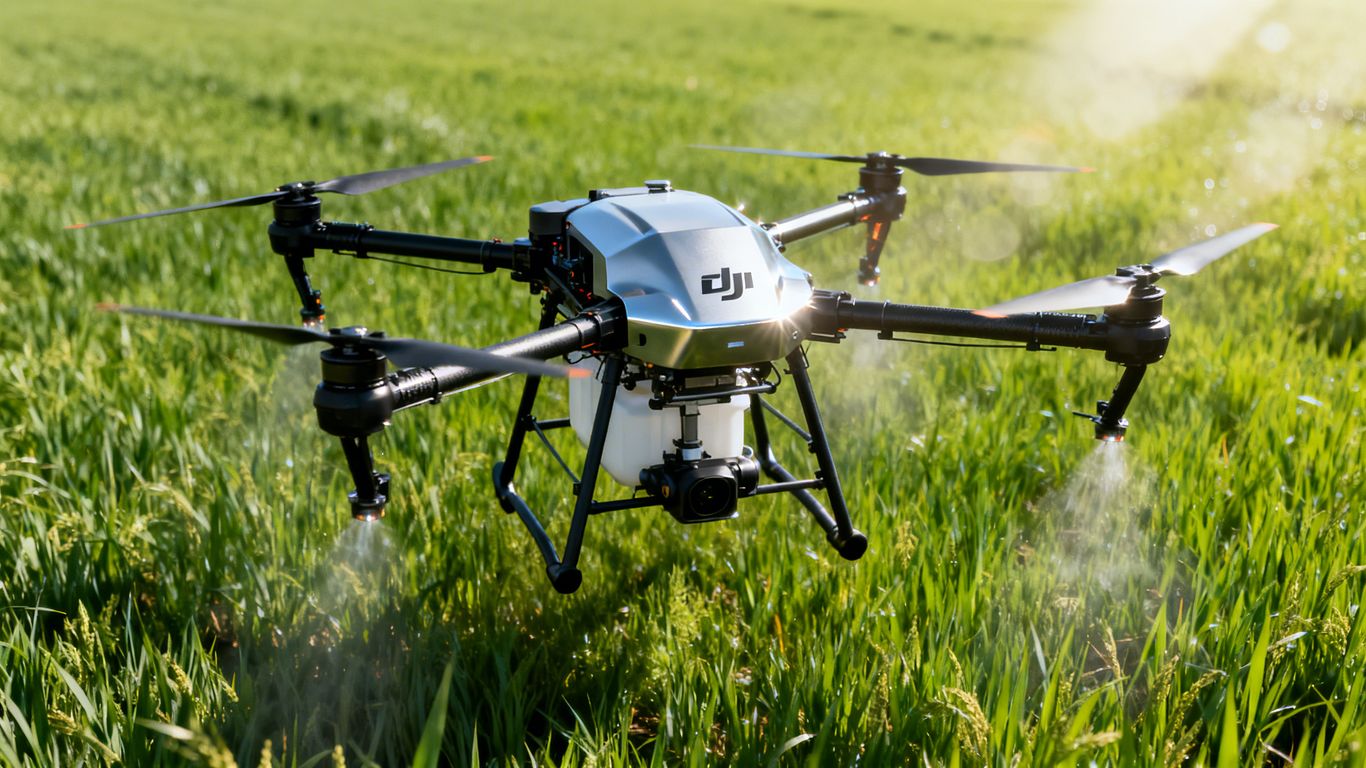
When you’re looking at the DJI Agras T40 price, it’s not just about the sticker shock. A lot goes into what makes this drone cost what it does. Think about the advanced tech packed inside. You’ve got things like the LiDAR system, which is a big step up for obstacle avoidance, especially when you’re flying fast. This kind of tech isn’t cheap to develop or integrate, but it makes flying safer and more efficient. Then there’s the sheer spraying power. The T40 can handle a massive payload, and its spray system can deliver liquid at impressive rates, up to 40 liters per minute with certain setups. This capability means it can cover more ground faster, which is a huge plus for farmers.
Here’s a quick look at some key features and their impact:
- LiDAR and Radar Systems: Advanced sensors for precise navigation and obstacle avoidance.
- Payload Capacity: The ability to carry larger tanks means fewer refills and more work done.
- Spray System Efficiency: High flow rates and precise application reduce waste and improve coverage.
- Flight Stability: Rock-solid performance, even in windy conditions, means reliable operation.
The engineering behind the T40 is designed to make your job easier and more productive. While the initial cost might seem high, the technology is built to perform under demanding agricultural conditions, aiming to pay for itself through increased efficiency and reduced manual labor.
Comparing the T40 to Previous Agras Models
If you’ve been following DJI’s Agras line, you’ll notice the T40 represents a significant jump. Compared to older models like the T40, the T40 boasts a much larger tank capacity and a higher spraying rate. For instance, while the T40 might have a respectable payload, the T40 can carry significantly more, meaning fewer trips back to the base for refills. This directly translates to more hectares covered per day. Also, the flight speed has seen improvements. The T40 can reach speeds of up to 72 km/h, which is pretty zippy. This means it gets to the field and back faster, saving precious time during busy application windows. The battery technology has also been optimized; even with a larger payload, the battery capacity increase isn’t drastic, suggesting DJI has made big strides in overall flight efficiency. This focus on doing more with less is a key differentiator.
The Role of Technology and Innovation
DJI isn’t just slapping bigger tanks on drones; they’re constantly innovating. The T40 is a prime example of this. The integration of advanced sensors like LiDAR, alongside improved radar, allows for incredibly precise flight paths and obstacle avoidance. This isn’t just about safety; it means the drone can fly closer to obstacles and terrain, leading to more uniform application and less wasted product. Think about it: flying at high speeds requires sophisticated systems to keep the drone from hitting anything. The T40’s ability to ‘remember’ obstacles and adjust its path proactively is a testament to this innovation. This level of smart technology is what sets the T40 apart and justifies its price point. It’s about making complex tasks simpler and more reliable for you, the operator.
Breakdown of DJI Agras T40 Pricing Components
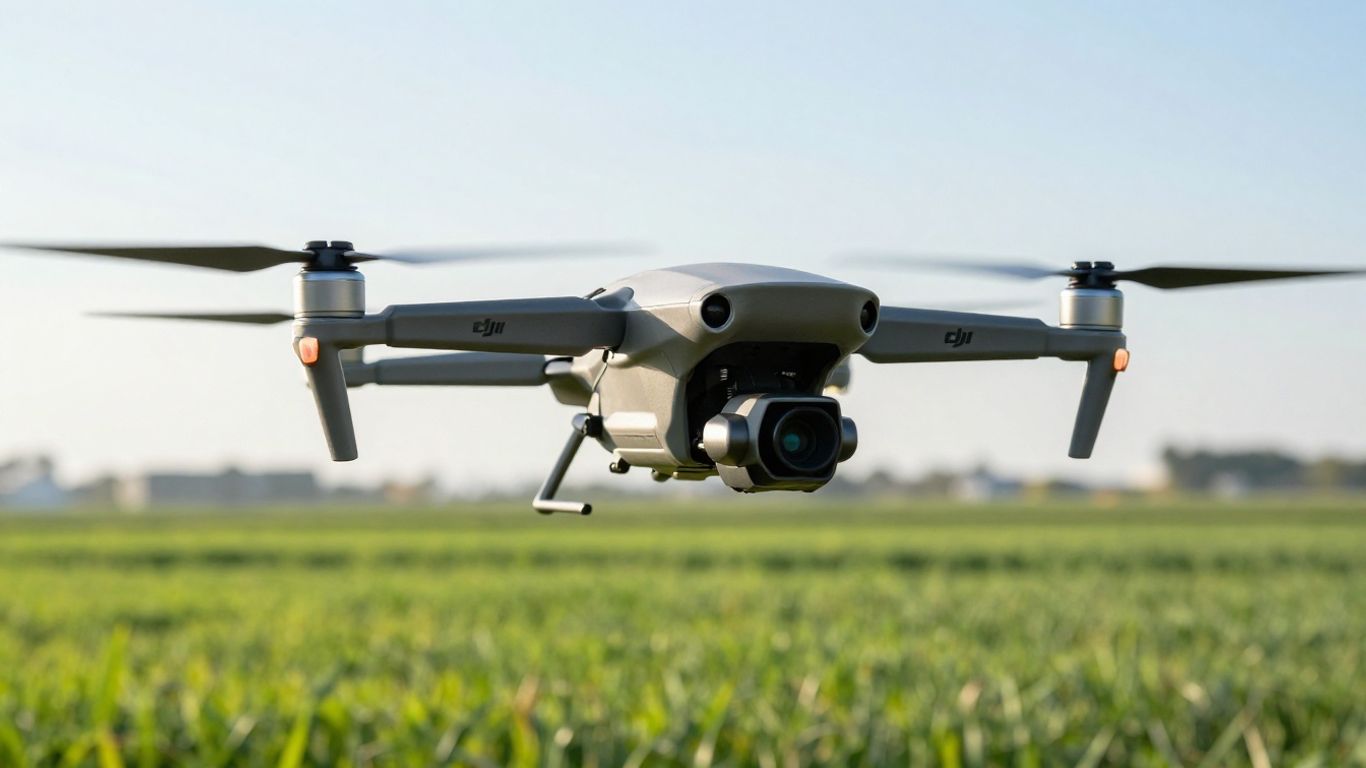
When you’re looking at the DJI Agras T40, the price tag isn’t just for a single item. It’s a package deal, and understanding what makes up that cost is key. You’re not just buying a drone; you’re investing in a whole system designed for serious agricultural work.
Drone Unit and Core Hardware
The heart of the T40 is, of course, the drone itself. This includes the main body, the motors, propellers, and the advanced flight control systems. DJI puts a lot of engineering into making these drones stable and responsive, even in tough weather. Think about the advanced radar and LiDAR systems that help it avoid obstacles – that’s complex tech built right in. The core hardware is where a significant chunk of the investment lies. This is what allows for precise flight paths and safe operation, even at high speeds. You can find DJI Agras T40 drones for sale with prices starting around $15,900, though this can vary.
Sprayer System and Payload Options
Beyond the drone, you’ve got the spraying apparatus. The T40 offers a robust spraying system, capable of handling significant liquid volumes. Depending on your needs, you might opt for different nozzle configurations or even a spreader system for granular applications. The ability to switch between spraying and spreading adds a lot of versatility. The system is designed for high flow rates, meaning you can cover ground quickly. This flexibility in application methods is a big part of the T40’s value proposition.
Battery and Charging Infrastructure
Flying a drone like the T40 requires substantial power. The price includes the drone’s batteries, which are designed for agricultural use, offering a decent flight time for covering large areas. However, you’ll also need a way to charge these batteries efficiently. Often, this means investing in a charging station or multiple batteries to keep operations running smoothly. The cost of this power management system is an important consideration when budgeting for the T40.
The efficiency improvements in the T40’s design, like propeller advancements and motor efficiency, mean it can do more with less power compared to older models. This translates to better flight times and more work done per charge, which is a direct benefit to your operational costs.
Here’s a quick look at what contributes to the overall cost:
- Drone Airframe: The physical structure and integrated components.
- Flight Controller & Sensors: The brains and eyes of the drone (GPS, IMU, radar, LiDAR).
- Propulsion System: Motors, ESCs, and propellers.
- Payload System: The tank, pumps, nozzles, or spreader.
- Batteries: High-capacity power sources for flight.
- Remote Controller: The interface for operating the drone.
When you’re evaluating the DJI Agras T40 price, remember you’re getting a complete package. Each of these components plays a role in its performance and, consequently, its cost. It’s about the integrated technology that allows you to tackle large-scale agricultural tasks effectively.
Market Comparison: How DJI Agras T40 Price Stacks Up
When you’re looking at the DJI Agras T40 price, it’s smart to see how it fits into the bigger picture. You’ve got traditional methods, other drones, and the long game to consider.
Versus Boom Sprayers and Air Tractors
Think about your old boom sprayers. They’ve been around forever, right? They can handle big volumes, which is great for certain jobs, especially pre-emergence herbicides. But let’s be real, they’re not exactly nimble. They get close to the crop, which is good for accuracy, but they can’t exactly zip around a massive field at high speed. Air tractors, on the other hand, are built for speed and large areas. They can cover a lot of ground quickly. However, they often lack the precision of other methods, and you have to worry more about drift and evaporation because the spray spends more time in the air. Plus, the cost of operating an air tractor can add up.
Drones like the T40 offer a middle ground, combining speed with improved accuracy. They can handle significant payloads, with systems capable of spraying up to 40 liters per minute. This means you can tackle large fields more efficiently than with a boom sprayer, and with better control than an air tractor. For many tasks, you might find that a drone contractor can actually be more cost-effective than an air tractor contractor, especially when you factor in the time saved. You can explore a range of agricultural drones to see how they compare in this guide.
Cost Efficiency Compared to Other Agricultural Drones
When you look at other agricultural drones, the T40 sits at the higher end, but you’re getting a lot for your money. Newer models, like the T100, boast even larger payloads and faster speeds, but they also come with a higher price tag. The T40, priced around $18,000, offers a solid balance. It’s a significant step up from older models, with improved efficiency and capabilities. You’re paying for advanced tech like LiDAR for better navigation and obstacle avoidance, which older or less sophisticated drones might lack. This means less risk of accidents and more consistent application, saving you money in the long run.
Initial Purchase vs. Long-Term Investment
It’s easy to get sticker shock from the initial DJI Agras T40 price. But think of it as an investment. You’re not just buying a piece of equipment; you’re buying increased productivity and potentially lower operational costs over time. Consider these points:
- Productivity Boost: The T40 can cover more ground faster than many traditional methods, meaning fewer hours spent in the field.
- Reduced Input Waste: Precision application means you use less pesticide or fertilizer, saving you money on materials.
- Lower Labor Costs: Automation and speed reduce the need for manual labor.
- Versatility: The ability to switch between spraying and spreading adds to its value.
While the upfront cost of a professional drone like the T40 is considerable, its ability to increase efficiency, reduce material waste, and potentially lower labor expenses makes it a strong contender for a long-term investment in modern farming operations. The return on investment can be quite compelling when you look beyond the initial purchase price.
Ultimately, comparing the T40’s price involves looking at what you get in terms of performance, efficiency, and the potential savings it offers compared to older technologies and even some competing drones on the market. It’s about finding the right tool for your specific farming needs and budget.
Operational Costs Beyond the DJI Agras T40 Price
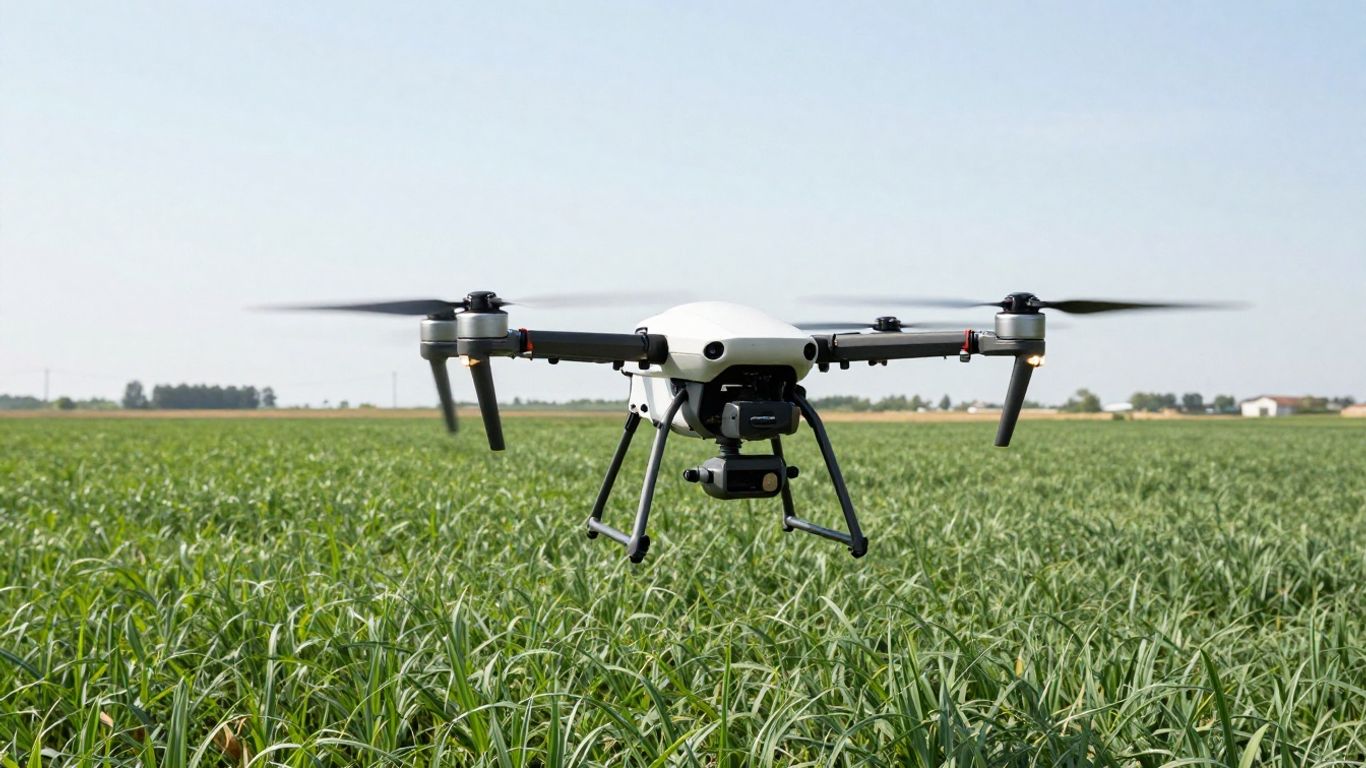
So, you’ve looked at the sticker price for the DJI Agras T40 and it’s a significant investment, no doubt. But what about everything else that goes into keeping this agricultural powerhouse running smoothly? It’s not just about the initial purchase; there are ongoing expenses you’ll want to factor in. Think of it like buying a car – the price you pay at the dealership is just the beginning.
Maintenance and Replacement Parts
Like any complex piece of machinery, your Agras T40 will need regular check-ups and occasional part replacements. Things like propellers, spray nozzles, and filters are wear-and-tear items. While DJI drones are built tough, flying them frequently in demanding agricultural environments means they’ll eventually need some TLC. Keeping a stock of common replacement parts can save you downtime during critical application periods. You’ll want to budget for things like:
- Propellers: These are vital for flight stability and can get damaged during landings or from debris. Expect to replace them periodically.
- Spray Nozzles: Over time, nozzles can wear down, affecting spray patterns and application accuracy. Different crops and applications might require different nozzle types, adding to potential costs.
- Filters: Keeping the spray system clean is key. Filters will need cleaning or replacing to prevent clogs and ensure consistent flow.
- Motors and ESCs: While generally robust, these are high-performance components that might eventually require servicing or replacement, especially with heavy usage.
Software, Firmware, and Mapping Tools
DJI is constantly updating its software and firmware to improve performance and add new features. While these updates are usually free, you’ll want to make sure you’re running the latest versions for optimal operation and safety. Beyond the core drone software, you might also consider specialized mapping and planning tools. These can help you create precise flight paths, analyze field data, and optimize your spraying operations. While the drone’s remote controller has built-in mapping capabilities, advanced users might look into third-party software for more in-depth analysis. The DJI Agras T40 is designed to work within a sophisticated ecosystem, and staying current with its digital tools is part of the ongoing cost.
Training and Customer Support
Even with intuitive controls, mastering the full capabilities of the Agras T40 takes time and practice. Investing in proper training for yourself or your operators can prevent costly mistakes and ensure you’re getting the most out of your drone. DJI offers various support channels, but depending on your region, you might opt for specialized local training programs or extended support packages. Think about what happens if you encounter an unexpected issue in the field – having reliable customer support or a local service center can be a lifesaver. Access to timely technical assistance can mean the difference between a minor hiccup and a major operational delay.
While the initial price of the DJI Agras T40 is substantial, understanding these ongoing operational costs is key to accurately budgeting for your agricultural drone program. Neglecting these factors can lead to unexpected expenses and operational disruptions down the line.
Don’t forget about the batteries. The T40 uses specialized batteries, and while they are designed for efficiency, you’ll likely need multiple units to keep flying throughout the day. A single [T40 battery](https://dronesforhire.com.au/shop/accessory/1101511/Extra-battery-for-T40-(BAX601-30?srsltid=AfmBOoqYkQPGKENvarpt4ZYGzqN8yIk29A0y4lmJ7TtLC6fXcpm1PxzA) provides a decent flight time, but for large-scale operations, having spares is almost a necessity. Charging infrastructure also plays a role; ensuring you have adequate power sources to charge multiple batteries efficiently is something to consider.
Factors Affecting the DJI Agras T40 Price in Different Regions
When you’re looking into the cost of a DJI Agras T40, it’s not as simple as checking one price tag. The final price you pay can shift quite a bit depending on where you live and a few other key factors. Let’s unpack what really goes into the regional differences in pricing.
Import Duties and Local Distribution
One of the first things that changes the T40’s price is import duties. Some countries put higher tariffs on high-tech items, and drones like the Agras T40 often get hit with extra fees as they cross borders.
- Customs tariffs and taxes can sometimes add thousands of dollars.
- Local regulations may require certification, also upping the price.
- The number of middlemen or layers in the distribution network directly affects your cost.
For a snapshot, here’s how price varies by supplier (source: supplier price differences):
| Supplier | Location | Price (USD) |
|---|---|---|
| Huaya Industrial Co Ltd | International | $7,908.49 |
| Xinjiang Mingsheng International Trade | China | $8,199 |
| Premierpro Digital Technology Sdn Bhd | (Region Not Stated) | Check supplier site |
Availability and After-Sales Service
Getting your hands on a T40 isn’t just about shipping—availability and support matter a lot. In regions where DJI has a stronger network, you might score a lower price or better service, but where they’re rare, scarcity pushes the price up.
- Limited stock drives prices higher, especially during peak season.
- Some dealers bundle after-sales service, raising upfront costs but saving on long-term headaches.
- Fast access to maintenance and replacements can change your total cost of ownership.
Regional Demand and Supply Trends
Demand is a huge factor. If there’s a surge in need for efficient crop spraying (like in areas shifting to more tech-driven agriculture), the price often climbs. Places where drone adoption is slow may offer bargains, but there could be trade-offs with fewer service options.
A few things to think about:
- Fast-growing agri-tech hotspots often see higher starting prices.
- Regions with many suppliers tend to have more competitive pricing.
- Temporary factors—like a bumper planting season—can also spike costs unexpectedly.
If your local market is new to agriculture drones, expect shipping, support, and after-sales experience to differ a lot from what you’d get in a mature drone market. Research local dealers and what’s included before making any big purchase.
The bottom line is, the DJI Agras T40 isn’t just priced by the manufacturer. Customs, competition, and local business networks all play their part in setting what you’ll pay in your region.
Maximizing ROI: Is the DJI Agras T40 Price Worth It?
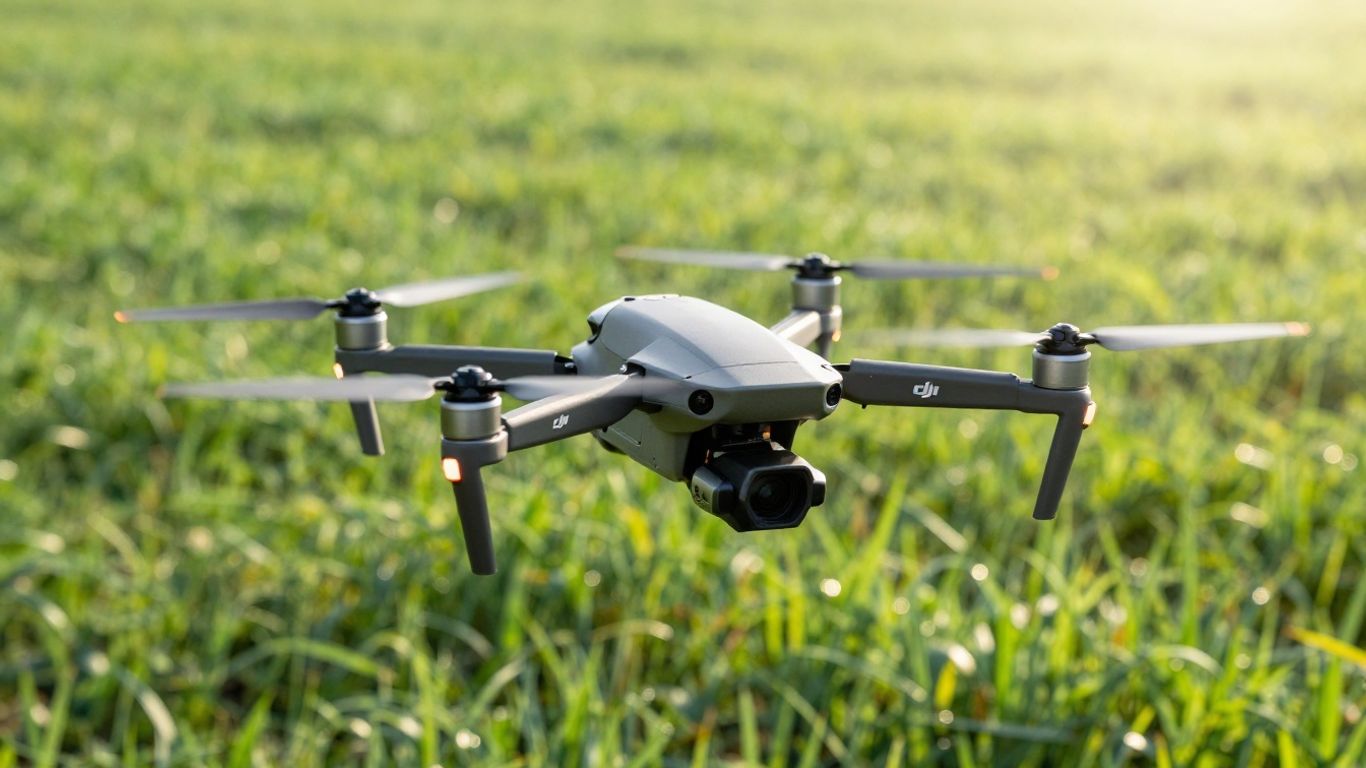
Whether you’re considering automating your farm operations or you’re already using agricultural drones, the ROI (return on investment) for the DJI Agras T40 boils down to more than just its initial price tag. Let’s break down where true value comes in, especially if you’re on the fence about whether this drone fits your farm’s needs.
Productivity and Field Coverage
The T40 has a large spray payload and covers fields quickly. This translates to less downtime and fewer trips back and forth for refills. For those used to older models or manual spraying, you’ll notice a real difference in how much ground you can cover in one day. Here are a few points to consider:
- One charge covers more acres than many older Agras models.
- 40-liter tank means fewer refill stops, especially on larger fields.
- Autonomous mapping and spraying lets you set the drone up and let it work, freeing your time for other tasks.
Precision and Application Accuracy
A big advantage of the T40 is its ability to spray evenly and precisely. This is especially important for:
- Reducing chemical and water waste, translating to lower input costs.
- Better crop coverage, which can mean higher yields at harvest.
- Limiting overspray that could hurt non-target areas.
Using advanced GPS and sensors, the drone follows the terrain closely. If you struggle with uneven fields or hard-to-reach patches, this drone basically handles it for you.
If you’ve been watching the rise of agricultural drone use, the T40 stands out for its mix of capacity and reliable controls. You’re no longer fighting with outdated tech or handling chemicals yourself.
Suitability for Various Crop Types
Drone spraying isn’t just for massive monocrops. The DJI Agras T40 is versatile, making it a great fit for a range of field sizes and crop types. Here’s a quick look at where it stacks up:
| Crop Type | Traditional Sprayer | Agras T40 |
|---|---|---|
| Rice paddies | Risky, labor-heavy | Easy, low impact |
| Vineyards | Hard to maneuver | High precision |
| Orchards | Can miss treetops | Drone reaches all |
| Mixed vegetables | Time-consuming | Flexible patterns |
When you factor in labor savings, input cost reductions, and increased yields, the math starts to make sense:
- Less labor needed—cutting back on hours worked or hired help.
- More consistency in chemical applications means fewer pest and disease problems.
- Ability to quickly respond to weather or pest outbreaks.
So, is the price worth it? The answer often comes down to how much you value precision, efficiency, and future-proofing your operation. If you want to set up your business for future growth, smart drone technology can be a smart investment for agriculture. When you look at the potential ROI, the upfront price is just part of a much bigger picture.
Thinking about the DJI Agras T40? Before making a big purchase, make sure it really fits your needs. This drone can help farms work faster and smarter, but the price matters. Curious if it’s the right investment for you? Visit our website to learn more and find out if the T40 is truly worth your money!
So, What’s the Verdict on the T40’s Price?
Alright, so we’ve looked at what the DJI Agras T40 costs and what you get for your money. It’s definitely a big investment, no doubt about it. But when you think about how much time and effort it can save you, and how much more efficient it makes your spraying or spreading, it starts to make a lot of sense for serious farming operations. You’re not just buying a drone; you’re getting a powerful tool that can really change how you work your fields. If you’re looking to step up your game and get more done with less hassle, the T40 might just be worth digging into your budget for. It’s a serious piece of kit for serious farmers.
Frequently Asked Questions
What makes the DJI Agras T40 drone cost what it does?
The price of the DJI Agras T40 is influenced by several things. High-tech features like advanced radar and LiDAR for obstacle avoidance, powerful motors, and a large spray tank all add to the cost. The quality of the materials used and the advanced technology packed inside also play a big role in its price.
How does the T40 compare to older DJI spray drones?
Compared to older models, the T40 often brings more power and better technology. It can usually carry more liquid, fly faster, and has smarter systems for navigating fields and avoiding obstacles. These upgrades mean it can cover more ground and work more efficiently, which is why it might cost more than its predecessors.
Are there extra costs after buying the drone?
Yes, you should plan for more than just the initial price. You’ll need to think about things like batteries, charging equipment, maintenance, replacement parts, and possibly software for mapping or planning flights. Training to use the drone safely and effectively is also something to consider.
How does the T40’s price compare to traditional farming equipment?
When you compare the T40 to big machines like boom sprayers or air tractors, its initial cost might seem high. However, drones can be more efficient, cover large areas quickly, and use less fuel. When you look at the long run, considering how much work it can do and the precision it offers, the T40 can actually be a cost-effective choice.
Can the T40 really save me money in the long run?
Absolutely! The T40 can significantly boost your productivity. Its ability to spray precisely means you use less pesticide and water, saving you money on supplies. Plus, faster application times mean you can cover more fields, potentially increasing your overall harvest and income. Think of it as an investment that pays off through better yields and lower operating costs.
Does the price of the T40 change depending on where I buy it?
Yes, the price can vary in different places. Things like import taxes, shipping costs, and how the drone is distributed in a specific country can affect the final price you pay. The availability of local support and service can also influence the cost.